Understanding Home Insurance Policies in 2026: Your Essential Guide

Home insurance protects one of your biggest investments, yet many homeowners don’t fully understand what their policies actually cover. Premiums have climbed significantly in 2026, making it more important than ever to know exactly what you’re paying for.

We at Grimes Insurance Agency created this guide to help you navigate understanding home insurance policies in 2026. Whether you’re shopping for new coverage or reviewing your current policy, you’ll find the facts and practical steps you need to make confident decisions.

What’s Covered in Your Home Insurance Policy

Dwelling Coverage Protects Your Home’s Structure

Your standard homeowners policy covers three major areas, but most homeowners misunderstand the specific limits and exclusions that apply to each. Dwelling coverage protects the structure itself-walls, roof, foundation, and permanently attached systems like electrical and plumbing. The Insurance Information Institute confirms that replacement cost coverage for the dwelling is standard in 2026 policies, meaning repairs cover actual rebuild costs rather than market value. This distinction matters enormously. If your home would cost $450,000 to rebuild today but you only carry $300,000 in dwelling coverage, you’ll absorb the gap out of pocket after a covered loss.

Construction costs continue climbing, so verify your dwelling limit reflects current rebuilding expenses, not the price you paid years ago. Many insurers now automatically adjust dwelling coverage annually through inflation guards, but confirm your provider includes this feature.

Personal Property Coverage Has Real Limits

Personal property coverage typically sits at 50-70% of your dwelling limit, protecting furniture, appliances, clothing, and other belongings inside your home. Here’s where most homeowners get it wrong: standard policies pay actual cash value for personal property unless you add a replacement cost endorsement. That means a five-year-old television worth $800 new might only net you $300 in a claim.

If you own jewelry, fine art, or collectibles, these items hit sublimits-often just $1,500 to $2,500 total-regardless of actual value. The Insurance Information Institute recommends scheduling high-value items with appraisals to avoid catastrophic underinsurance.

Liability and Medical Payments Protect You Financially

Liability coverage is coverage beyond the liability limits on your existing policies. Standard limits range from $100,000 to $300,000 according to the Insurance Information Institute, but with home values and legal judgments rising, many financial advisors now suggest considering umbrella policies that add $1 million or more in protection for relatively low cost.

Medical payments coverage-typically $1,000 to $5,000-pays for minor injuries to guests without requiring fault, helping you avoid small claims that could spike your rates. Understanding these three coverage areas sets the foundation for making smart choices about your specific needs and the deductibles that affect your premium.

How Home Insurance Costs Have Changed in 2026

The average cost for a new homeowners policy reached approximately $1,950 in late 2025, up 8.5% year over year according to Matic’s analysis of nearly 9 million quoted properties. While this marks a slowdown from the double-digit increases homeowners faced between 2022 and 2024, the reality remains stark: insurance now consumes about 9% of your monthly mortgage payment, the highest share on record. This isn’t temporary. The 8.5% annual increase still far exceeds the pre-2022 norm of 3-5% yearly growth, meaning your insurance costs are rising faster than inflation.

Key U.S. home insurance percentage trends affecting homeowners in 2025–2026. - understanding home insurance policies 2026

Construction and repair expenses continue climbing, and insurers pass these costs directly to policyholders. Deductibles jumped 22% in 2025 alone, shifting more financial responsibility onto homeowners while helping carriers lower ongoing premiums. About 54% of homeowners reported premium increases over the past year according to Harris Poll research, making this a widespread affordability crisis rather than an isolated problem.

Roof Age Now Determines Your Price

Roof condition has become the single biggest pricing factor in 2026 underwriting. U.S. roof claims reached nearly $31 billion in 2024, roughly 30% higher than 2022 levels, and insurers have responded with dramatically widened price gaps between newer and older roofs.

Three key reasons roof age now has an outsized impact on home insurance pricing.

A roof under five years old versus one that is 11-15 years old now carries a $155 annual premium difference, up from just $49 in 2022. This gap will likely widen further in 2026. Carriers now deploy satellite imagery, drones, and AI-driven tools to assess roof condition before quoting your policy. If your roof approaches ten years old, expect substantially higher premiums or potential coverage denial from standard carriers. A roof replacement before shopping for new coverage can save thousands over your policy’s lifetime. Alternatively, if replacement isn’t feasible, you may end up in the Excess & Surplus market, where policies cost significantly more and offer fewer protections.

Where You Live Matters More Than Ever

Regional pricing diverged sharply in 2025, with some states experiencing dramatic increases. Georgia saw premiums jump 28.4%, Colorado 25.7%, New York 23%, and Texas 20.5%. Colorado homeowners faced new-policy premiums roughly $666 higher than 2024 levels alone. These aren’t minor adjustments; they represent fundamental shifts in carrier appetite for risk in specific geographies. Climate exposure drives this variation. Areas with higher exposure to hurricanes, wildfires, and severe convective storms face the steepest increases. The 2025 severe convective storm season generated approximately $42 billion in losses, cementing these storms as the top peril for insurers. If you live in a high-risk state, standard carriers may have already exited your market or tightened underwriting so severely that coverage becomes difficult to obtain. The Excess & Surplus market now accounts for roughly 16% of policies nationwide, up from under 2% in 2023, primarily because homeowners in high-risk areas have nowhere else to turn.

How Insurers Now Price Your Risk

Carriers have shifted from broad underwriting to property-specific assessment. Satellite imagery, drones, and AI-driven tools now evaluate your exact risk profile before you receive a quote. Localized weather risk data and catastrophe modeling inform pricing decisions that reflect your specific location and property conditions. This precision means two homes on the same street can carry vastly different premiums based on subtle differences in exposure, construction, or maintenance. Lenders reported experiencing home insurance issues (frequently or somewhat frequently) over the last year according to Matic’s survey, affecting loan approvals and terms. Understanding how insurers assess your property helps you anticipate pricing and identify areas where improvements can lower your costs. The next section explores how to evaluate your specific coverage needs and compare quotes effectively across carriers using this new pricing landscape.

How to Build Coverage That Matches Your Actual Risk

Calculate Your Home’s True Rebuild Cost

Selecting the right homeowners policy requires matching coverage limits to your specific property and financial situation, not chasing the lowest premium. Start with your home’s actual rebuild cost, not its market value. A home purchased for $350,000 might cost $450,000 to rebuild today due to inflation in construction materials and labor. Contact three local contractors or use your county assessor’s cost data to estimate replacement expenses accurately. Your dwelling coverage must reflect this figure. According to NerdWallet analysis, dwelling coverage is the biggest cost driver in your premium, and underinsurance creates catastrophic gaps. A homeowner with a $300,000 dwelling limit on a $450,000 rebuild faces a $150,000 out-of-pocket loss after a total loss claim.

Assess Your Personal Property and High-Value Items

Next, assess your personal property realistically. If you own high-value items like jewelry, art, or collectibles, these require separate scheduling with appraisals rather than relying on standard sublimits. The Insurance Information Institute confirms that jewelry typically maxes out at $1,500 to $2,500 in standard policies regardless of actual value. Scheduling these items protects you from devastating underinsurance on your most valuable possessions. Without proper scheduling, a $10,000 jewelry collection receives only $2,500 in a claim, leaving you with a $7,500 loss.

Evaluate Your Liability Exposure and Umbrella Options

For liability, evaluate your assets and household composition. A family with children and a swimming pool faces higher exposure than a single adult. Standard limits of $100,000 to $300,000 may leave you vulnerable if a serious injury occurs on your property. Consider an umbrella policy adding $1 million in protection for roughly $150 to $300 annually, far cheaper than defending a major lawsuit without adequate coverage. This additional layer protects your home equity and future earnings from catastrophic liability claims.

Compare Quotes with Identical Coverage Specifications

Comparing quotes requires gathering identical coverage specifications from at least three carriers before evaluating price. Request quotes with the same dwelling limit, personal property coverage, liability limit, and deductible from each insurer. NerdWallet data shows that raising your deductible from $1,000 to $2,500 saves approximately 9% on average premiums, but this tradeoff only makes sense if you can afford the higher out-of-pocket cost during a claim. Homeowners with solid emergency savings should try higher deductibles to lower monthly costs. Conversely, those living paycheck-to-paycheck need lower deductibles despite higher premiums.

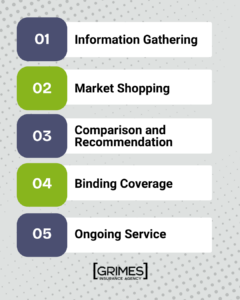
Five quick steps to standardize home insurance quotes and weigh deductible tradeoffs. - understanding home insurance policies 2026

Verify Coverage Details and Lender Requirements

Ask each carrier for itemized breakdowns showing exactly what is covered, excluded, and any sublimits that apply. Some policies include replacement cost for personal property while others pay only actual cash value; this difference can mean recovering $800 for a damaged television versus $300. Verify whether the policy includes automatic inflation adjustment on your dwelling coverage and confirm the claims process timeline. Ensure your policy meets your mortgage lender’s minimum requirements, typically $100,000 liability and a mortgagee clause. After comparing quotes with identical coverage, you can evaluate price differences confidently. A $200 annual premium difference across identical coverage represents genuine savings, but a $200 difference on different coverage levels tells you nothing about value.

Final Thoughts

Understanding home insurance policies in 2026 requires matching your coverage to actual rebuild costs, not purchase prices from years ago. Start by calculating your home’s true rebuild cost using contractor estimates or county assessor data, then schedule high-value items like jewelry or art with appraisals to avoid catastrophic underinsurance. Assess your liability exposure honestly and gather quotes from at least three carriers using identical coverage specifications so you can compare actual value rather than just price tags.

Your current policy deserves annual review because construction costs shift, your home ages, and carrier appetite for risk changes. Check whether your dwelling coverage reflects current rebuild expenses, confirm your personal property limits match your belongings, and verify that your liability limits protect your assets adequately. If your roof approaches ten years old, expect higher premiums or potential denial from standard carriers-this reality shapes your shopping strategy significantly.

We at Grimes Insurance Agency understand that navigating home insurance feels overwhelming, especially when premiums rise faster than your income. Our team has served Lubbock, Texas and surrounding communities with honest guidance and access to multiple carriers for over 75 years. Contact Grimes Insurance Agency to review your current coverage or shop for new protection, and let us help you build confidence in your home insurance decisions.

Disclaimer: The information provided in this blog is for general informational purposes only and does not constitute legal, financial, or insurance advice. Coverage options, terms, and availability may vary. Please consult with a licensed professional for advice specific to your situation

How to Reduce Flood Insurance Premiums: Tips for Texas Homeowners

Flood insurance premiums in Texas can drain your budget fast, especially if you live in a high-risk area. The good news is that several proven strategies can meaningfully lower what you pay each year.

We at Grimes Insurance Agency help Texas homeowners reduce their flood insurance costs through smart mitigation choices and competitive rate shopping. This guide walks you through the most effective ways to protect your home while keeping premiums manageable.

Why Flood Risk Matters More in Texas Than You Think

Texas Flood Geography Creates Two Major Danger Zones

Texas faces flood risk far beyond what most homeowners realize. The state’s geography creates two major danger zones: the coastal areas and Flash Flood Alley, a central-north region where heavy rains concentrate and overwhelm drainage systems.

Infographic showing 25% of flood losses outside high-risk zones, 1% annual chance zones requiring insurance, and CRS discounts ranging from 5% to 45%. - how to reduce flood insurance premiums

Almost every major Texas city sits in a high flood risk area, which means your location matters enormously for insurance costs. The National Flood Insurance Program reports that about 25 percent of flood losses occur outside high-risk zones-a statistic that catches many Texas homeowners off guard.

How Flood Zone Designation Drives Your Premiums

Flood zone assignment drives your premiums more than almost any other factor. If your home sits in a designated flood zone with a 1 percent annual chance of flooding, your lender likely requires flood insurance whether you want it or not. Standard homeowners insurance does not cover flood damage under any circumstances, which is why this separate policy becomes non-negotiable for most Texas properties. The proximity of your home to rivers, bays, or coasts, combined with local flood frequency data from FEMA, determines your initial premium baseline. Homes in Flash Flood Alley or coastal regions face steeper rates because historical flood patterns prove the risk is real and measurable.

FEMA’s Elevation Estimates Often Miss the Mark

FEMA estimates first-floor height using satellite imagery and algorithmic data, but these estimates often contain errors. If FEMA underestimates your home’s elevation, you overpay; if they overestimate it, your policy costs less than it should. This is where an Elevation Certificate from a licensed surveyor becomes valuable, providing precise measurements that can lower premiums by $800 to $1,500 annually in Houston when corrections are submitted.

The Elevation Certificate Investment Pays for Itself

The investment in an Elevation Certificate typically costs around $600 in Houston, making it a one-time expense that pays for itself quickly if your home sits higher than FEMA’s estimate. Homes with steps to the front door, crawlspace vents, or locations in high-risk zones like Meyerland, Bellaire, and parts of Katy are the best candidates for certificate benefits. The key insight is that flood zone assignment and elevation data directly control your premiums, and challenging inaccurate FEMA data produces measurable savings that compound year after year.

These foundational factors set the stage for the practical mitigation strategies that actually lower what you owe each month.

How to Strengthen Your Home and Shop Smart for Better Rates

Elevation Improvements Deliver the Biggest Premium Cuts

The most effective way to lower flood insurance premiums is to reduce the risk FEMA sees in your property. Elevation improvements stand out as the single most powerful mitigation strategy because they directly lower your first-floor height relative to the base flood elevation, which is the primary driver of NFIP pricing. Raising your home’s first floor above the lowest adjacent grade, elevating critical machinery and equipment like HVAC units and water heaters to match floor height, or installing properly engineered flood openings in crawlspaces all trigger measurable premium reductions.

The NFIP Flood Insurance Mitigation Discount Tool uses FEMA data and modeling to assess your property and shows you exactly which improvements qualify for savings before you spend money on construction. After completing any mitigation work, run the tool again to capture your new discount eligibility and get an updated premium estimate.

Checklist of three mitigation actions that commonly reduce flood insurance premiums.

Compare Multiple Carriers to Find Real Savings

The second critical action is to stop accepting the first quote you receive and instead compare offerings from multiple carriers. Private flood insurance companies like Ace, Hiscox, NFS, Edge, and Lloyd’s of London now compete directly with the NFIP, and their underwriting criteria and pricing vary significantly depending on your flood zone and property specifics. A policy that costs $2,400 annually through the NFIP might cost $1,800 with a private carrier, or vice versa-the only way to know is to shop.

Accessing quotes from both NFIP and private carriers allows you to compare coverage terms and premiums side by side rather than defaulting to whatever your lender suggests. This comparison takes time but produces tangible results for most Texas homeowners.

Check Your Community’s CRS Status for Automatic Discounts

Additionally, check whether your city or county participates in the Community Rating System, a voluntary FEMA program that grants discounts ranging from 5 percent to 45 percent off full-risk NFIP premiums based on local floodplain management practices. As of October 2025, more than 1,500 communities nationwide participate, and Texas homeowners in CRS-eligible jurisdictions benefit automatically if their property complies with local floodplain regulations. Verifying your community’s CRS status and class rating takes minutes and could produce savings without any investment in your home.

These three strategies-mitigation improvements, multi-carrier shopping, and CRS verification-form the foundation of a smart premium reduction plan. The next step involves understanding how professional guidance and local expertise help you navigate these options and avoid costly mistakes.

Why Local Agents Outperform Online Quotes for Flood Insurance

Accurate Property Data Determines Discount Success

The mitigation strategies and carrier shopping methods outlined above work only if you execute them correctly, and that’s where most Texas homeowners stumble. The NFIP Mitigation Discount Tool requires accurate property data-first-floor height, foundation type, machinery elevation, and flood opening specifications. Inaccurate measurements waste your money on improvements that don’t trigger discounts. A homeowner who elevates equipment to the wrong height or installs flood openings that fail to meet engineering standards loses thousands in wasted construction costs and misses the premium reductions they expected.

Hub-and-spoke graphic showing key advantages of using a local independent flood insurance agent in Texas. - how to reduce flood insurance premiums

Carrier Underwriting Criteria Vary Dramatically

Comparing private carriers against NFIP sounds straightforward until you realize that underwriting criteria differ wildly. A property that qualifies for a 20 percent discount with one carrier might not qualify at all with another. You need someone who knows which carriers underwrite which zones aggressively, which ones demand Elevation Certificates, and which ones offer the best terms for Texas flood risk. This knowledge separates a mediocre quote from a genuinely competitive one.

Local Expertise Identifies Hidden Savings

An independent agent with deep local knowledge outperforms online quote tools and direct NFIP applications. When properties sit in Meyerland or Bellaire-areas where FEMA’s satellite estimates consistently miss crawlspace vents and elevation details-an experienced agent knows immediately that an Elevation Certificate will likely save $800 to $1,500 annually. That same agent can guide you to qualified surveyors and help interpret results before submission. Local agents also understand CRS status for Texas communities and flag automatic discounts you’d miss on your own.

We at Grimes Insurance Agency represent multiple carriers including Ace, Hiscox, NFS, Edge, and Lloyd’s of London alongside NFIP access. This means we can run your property through underwriting criteria for each carrier simultaneously rather than forcing you to shop one quote at a time. Our team verifies property details against NFIP requirements before you invest in mitigation work, preventing costly mistakes that drain your budget.

The Measurable Difference in Outcomes

A homeowner who shops alone might obtain three quotes and miss their community’s CRS discount entirely. A homeowner working with an agent who knows Texas flood zones obtains quotes from multiple carriers, receives clear guidance on whether an Elevation Certificate makes financial sense before ordering it, and captures every available discount their property qualifies for. The difference in annual savings often reaches thousands of dollars through combinations of mitigation improvements, carrier selection, and discount verification.

Final Thoughts

Reducing flood insurance premiums in Texas requires three coordinated actions: making smart mitigation improvements to your home, comparing quotes across multiple carriers, and verifying that your community qualifies for CRS discounts. An Elevation Certificate costs $600 and pays for itself within months if your home sits higher than FEMA’s satellite estimate. Elevating critical equipment or installing flood openings triggers measurable premium reductions through the NFIP Mitigation Discount Tool, while shopping private carriers against NFIP often reveals price differences of $600 to $1,200 annually.

The challenge lies in executing these strategies correctly without wasting money on improvements that miss discount thresholds or submitting property data that triggers underwriting rejections. A local independent agent makes the difference between mediocre results and genuine savings because they understand how flood risk varies across regions, which carriers underwrite aggressively in your zone, and which mitigation improvements actually qualify for discounts before you spend construction dollars. We at Grimes Insurance Agency have served Texas homeowners for over 75 years and know exactly which combination of strategies applies to your property.

Contact Grimes Insurance Agency to review your current flood insurance situation and identify how to reduce flood insurance premiums for your specific home. We represent multiple carriers and can run your property through underwriting criteria simultaneously, verify whether an Elevation Certificate makes financial sense for your home, and confirm your community’s CRS status. This consultation identifies the exact strategies that produce the largest reduction in what you pay annually.

Disclaimer: The information provided in this blog is for general informational purposes only and does not constitute legal, financial, or insurance advice. Coverage options, terms, and availability may vary. Please consult with a licensed professional for advice specific to your situation

How to Save on Business Insurance Costs: Smart Strategies for Texas Entrepreneurs

Business insurance is one of the largest expenses Texas entrepreneurs face, yet most business owners overpay without realizing it. We at Grimes Insurance Agency work with business owners every day who discover they’re carrying redundant coverage or missing out on available discounts.

The good news is that how to save on business insurance costs doesn’t require cutting corners on protection. With the right strategy and guidance, you can reduce premiums while maintaining the coverage your business actually needs.

What’s Actually Costing You Money in Your Business Insurance

Most Texas business owners haven’t reviewed their insurance policies in years, which means they’re almost certainly overpaying. A Dallas café paid for two separate general liability policies because coverage got duplicated when the owner switched agencies. A San Antonio contractor carried commercial property insurance on equipment he’d sold three years prior. These aren’t edge cases-they’re the norm.

Start by gathering every insurance document you have and listing each policy type, coverage limit, deductible, and annual premium. You’ll likely find that some coverages overlap or that limits don’t match your actual business needs. If you’re paying for a two million dollar general liability aggregate but your lease only requires one million, you’re throwing money away each month. Texas small businesses typically spend about four thousand dollars annually on insurance premiums, but the actual amount varies wildly based on what you’re actually carrying versus what you actually need.

Compact checklist of steps to audit business insurance policies for savings

Spot the redundancies that drain your budget

When you review your policies side by side, look specifically for duplicate coverages. If you have a business owners policy that includes general liability and commercial property, and you also carry a standalone commercial property policy, you’re paying twice for the same protection. Workers’ compensation is another area where businesses overpay without knowing it.

In Texas, workers’ comp costs range from fifty cents to fifty dollars per one hundred dollars of payroll depending on your industry risk level, so misclassifying your business or carrying coverage you don’t legally need adds up fast. A Houston salon cut its general liability premium by ten percent by reducing coverage limits to match what state regulations actually required rather than what the previous agent recommended.

Use your claims history to negotiate better rates

Your claims history directly impacts what you pay going forward. Review the last three to five years of claims. If you haven’t filed a claim in that time, mention it when getting quotes-a clean loss history qualifies you for better rates. Conversely, if you’ve had multiple claims, investing in safety programs and risk management now can lower your premiums in the future by demonstrating to insurers that you’re reducing exposure.

The next step involves taking action on what you’ve learned. Once you identify where you’re overpaying and understand your actual risk profile, you can implement strategies that meaningfully reduce your costs without sacrificing the protection your business needs.

How to Cut Your Premium Without Cutting Coverage

Bundle Policies for Immediate Savings

Bundling policies remains the fastest way to lower what you pay each month. A Business Owner’s Policy protects you from liability claims and lawsuits while safeguarding your buildings and equipment into one package. Rather than spreading coverage across multiple insurers, consolidating with one carrier signals stability to underwriters and qualifies you for multi-policy discounts. A Dallas café that bundled its general liability and commercial property policies saved roughly eighteen percent annually, which freed up cash for other business priorities.

When you shop for quotes, always request pricing for a bundled package alongside individual policies so you can see the actual savings. The catch is verifying that a BOP covers your essential risks-some exclude professional liability or commercial auto, which means you’d still need separate policies for those coverages. Ask your agent explicitly what’s included and what gaps remain before committing.

Raise Deductibles Strategically

Raising deductibles works when you have cash reserves to cover a claim. Increasing a commercial property deductible from one thousand to twenty-five hundred dollars typically saves about three hundred dollars annually on premiums. The math is straightforward: insurers charge less because you absorb more risk upfront. However, only raise deductibles on coverages where a claim won’t devastate your business.

Construction firms and retailers with significant inventory should keep property deductibles lower since a fire or theft could mean substantial out-of-pocket costs. Workers’ compensation deductibles work differently than property deductibles-raising them saves less and creates administrative headaches, so this strategy works best for general liability and commercial property only.

Invest in Safety Programs That Lower Claims

Implementing formal safety programs and loss prevention measures directly reduces what insurers charge because you lower claim frequency. A Dallas construction firm cut its general liability premium by ten percent after installing comprehensive jobsite safety protocols, while an Austin retailer saved eight percent by adding security cameras throughout the store. These investments signal to underwriters that you take preventing losses seriously.

Percentage savings from safety programs for Texas businesses - how to save on business insurance costs

Document your safety efforts through written policies, employee training records, and maintenance logs-insurers want evidence that risk management is systematic, not accidental. The most effective approach combines all three strategies: bundle your core coverages, adjust deductibles strategically based on your cash position, and implement measurable loss prevention programs that you can demonstrate to insurers during renewal. With these fundamentals in place, the next step involves finding an agent who can access multiple carriers and negotiate rates tailored to your specific business profile.

Why Independent Agents Access Better Rates Than Online Quotes

When you compare quotes online or contact a major insurer directly, you see pricing from one company using their underwriting criteria and risk classifications. An independent insurance agent operates differently. Independent agents represent multiple carriers, which means they shop your exact business profile across dozens of insurers simultaneously rather than limiting you to whatever one company decides to charge. A Plano manufacturer who switched from a direct insurer to an independent agent saw a fifteen percent savings on identical coverage by accessing carriers that better suited the company’s specific risk profile.

Hub-and-spoke diagram showing advantages of independent insurance agents - how to save on business insurance costs

This matters because insurers price businesses differently based on factors like your industry classification, loss history, and credit score. Misclassify your business or miss a discount you qualify for, and you overpay without knowing better rates exist.

How Independent Agents Identify Hidden Savings

An independent agent conducts a formal risk assessment of your operation and identifies which carriers compete most aggressively for your type of business. They negotiate on your behalf in ways that online quote tools cannot. These tools only show you what they’re programmed to sell, not what actually protects your business. An independent agent catches redundancies and gaps that automated systems miss entirely. A Galveston restaurant saved ten percent on business interruption coverage after an agent tailored the policy to account for the restaurant’s actual seasonal revenue patterns rather than applying a generic formula. Texas businesses face specific risks from hurricanes, hail, and severe weather, which means your coverage limits and deductibles should reflect those exposures and your cash reserves, not some national standard.

The Ongoing Value of an Agent Partnership

An agent reviews your policies annually, adjusts coverage as your business grows or changes, and alerts you when new discounts become available or when competitors offer better rates. A Houston tech startup reduced its annual premium by eighteen percent after an agent identified that the company had purchased redundant professional liability coverage when the existing policy already included the necessary protection. This ongoing partnership costs nothing extra because independent agents earn commission from insurers, not from you. Shop around with at least three independent agents to compare not just pricing but the quality of their recommendations and responsiveness to your questions.

Final Thoughts

Reducing your business insurance costs comes down to three actions: understanding what you currently pay, implementing strategies that lower premiums without sacrificing protection, and partnering with someone who can access better rates than you’d find alone. Texas business owners who save the most money aren’t cutting corners on coverage-they’re eliminating waste and working with agents who represent multiple carriers. A Houston salon saved ten percent, a Dallas café saved eighteen percent, and a Plano manufacturer saved fifteen percent when they took a systematic approach to how to save on business insurance costs.

Your claims history matters more than you might think, and a clean loss history qualifies you for better rates. Raising deductibles on coverages where you have cash reserves typically saves three hundred dollars annually on commercial property alone, while bundling general liability and commercial property into a Business Owner’s Policy saves roughly fifteen to twenty-five percent compared to separate policies. Annual policy reviews catch gaps and redundancies that you’d miss on your own, and an agent negotiates with carriers on your behalf while alerting you when better rates become available.

We at Grimes Insurance Agency represent multiple carriers, which means we can shop your business profile across dozens of insurers to find rates tailored to your specific risk profile and industry. Contact us today for a free policy review and competitive quotes that reflect what your business actually needs.

Disclaimer: The information provided in this blog is for general informational purposes only and does not constitute legal, financial, or insurance advice. Coverage options, terms, and availability may vary. Please consult with a licensed professional for advice specific to your situation

Essential Guide to Protecting Your Jewelry: Everything You Need to Know


Jewelry holds not only aesthetic value but also sentimental significance. Whether it symbolizes decades of marriage, has been passed down through generations, or commemorates a special occasion, its worth goes beyond monetary value. With this in mind, our local insurance agency aims to ensure that you have comprehensive protection for your precious pieces.

While the memories associated with your jewelry are irreplaceable, a robust insurance policy can offer financial security in the face of unforeseen events. Whether your jewelry is stolen, damaged, or lost during a leisurely swim in the ocean, insurance coverage can help ease the burden.

If you own jewelry valued at over $1,000, it’s advisable to consider obtaining an insurance policy endorsement specifically tailored to its worth. This endorsement can be seamlessly added to your existing home or renters insurance policy through what is known as a “floater,” an extension that provides coverage for valuables. A reliable policy will safeguard against theft and damage. The cost of coverage may vary but typically ranges from $1 to $2 per $100 in value annually. For instance, insuring a $5,000 ring could cost you approximately $50 to $100 per year. By contacting Grimes Insurance Agency, we will diligently assist you in finding the optimal coverage for your jewelry and address any concerns you may have regarding hypothetical scenarios.

To ensure a thorough understanding of your insurance coverage, we encourage you to discuss the following questions with our agents:

  1. If your jewelry is stolen, will you be reimbursed for the full amount you initially paid? What if it is accidentally lost?
  2. If the value of your jewelry appreciates over time, will your insurance company honor its new value or only the purchase price?
  3. What happens if a small piece of your jewelry is lost? Will your insurance cover the cost of replacing the stone?
  4. Don’t forget to inquire about available discounts! Some insurance companies offer reduced premiums if you securely store your jewelry when not in use.

While we hope that you never encounter a situation requiring an insurance claim for your jewelry, it is crucial to be prepared. In the unfortunate event of loss or theft, gather the following items:

  1. Original receipt
  2. Appraisal document (if the original receipt is unavailable)
  3. Gemological Institute of America (GIA) certificate or a similarly reputable certification
  4. Photographs of all your jewelry items stored either on the cloud or a secure zip drive placed in your safe

Keep these essential items in a safety deposit box or a secure safe within your home. For more information on insuring your jewelry, do not hesitate to contact an agent at our office. We are dedicated to offering you the best insurance options for your precious pieces and addressing any further inquiries you may have.

Understanding Business Insurance Requirements in Texas: A Comprehensive Guide

Running a business in Texas means navigating specific insurance requirements that protect your company from real financial risk. Whether you operate a small retail shop, manage construction crews, or own rental properties, the coverage you need varies significantly based on your industry and operations.

We at Grimes Insurance Agency help Texas business owners understand exactly what insurance they need and why. This guide breaks down the mandatory coverage, industry-specific requirements, and how to find the right protection for your situation.

What Business Liability Coverage Do You Actually Need in Texas

General liability insurance protects your business when someone claims you caused them bodily injury or property damage. In Texas, the minimum coverage most businesses should carry is $100,000 per occurrence and $300,000 aggregate per year, according to the Texas State Fire Marshal’s Office requirements. However, minimum coverage often leaves you dangerously exposed. The Hartford reports that average general liability premiums in Texas run around $853 annually, which is reasonable insurance against lawsuits that could cost hundreds of thousands. If you contract with government entities in Texas, you’ll face mandatory requirements that typically demand higher limits. Construction companies, contractors, and service providers face the highest exposure and should seriously consider $500,000 per occurrence coverage minimum. A single injury claim can bankrupt a small operation, and Texas courts award substantial damages.

Key takeaways on Texas general liability insurance limits and costs for small businesses - business insurance requirements in Texas

Workers Compensation Separates Required From Optional

Texas doesn’t mandate workers compensation for most businesses, which confuses many owners into skipping it entirely. This is a dangerous mistake. If you contract with any government entity, workers compensation becomes mandatory. If you have even one employee and want to operate responsibly, you need coverage. The average annual workers compensation premium in Texas runs about $714, or roughly $59 monthly according to The Hartford. That’s cheap protection against claims that could exceed six figures. The Texas Department of Insurance administers the Division of Workers Compensation, which handles disputes and claims. If an injured worker contests their claim, you contact the Division at 800-252-7031 or 512-804-4100. The Division also offers safety consultations to help reduce workplace injuries and associated costs. Operating without workers compensation exposes you to personal liability when an employee gets hurt.

Your Physical Assets Need Direct Protection

Commercial property insurance covers buildings, tools, equipment, and inventory your business owns or leases. This coverage isn’t optional if you have a mortgage on your building, as lenders require it. The Hartford data shows Business Owner’s Policies, which bundle property and liability coverage, average $2,072 annually in Texas. Property insurance becomes especially critical if you store valuable equipment or inventory. A fire, theft, or weather event can instantly destroy your ability to operate. Texas experiences significant hail and wind damage annually, making property coverage essential rather than theoretical. If you lease your space, your landlord’s insurance doesn’t cover your equipment or inventory, leaving you completely exposed. You should review your current property policy limits carefully because underinsuring creates a false sense of security that evaporates the moment you file a claim.

Coverage Gaps Vary by Your Business Type

Your industry determines which liability exposures matter most. Contractors face different risks than retailers, and retailers face different risks than property investors. The coverage that protects a construction company won’t adequately protect a service business. Understanding your specific industry risks helps you avoid paying for unnecessary coverage while ensuring you don’t leave critical gaps. The next section walks through industry-specific requirements so you can identify exactly what your business type demands.

Industry-Specific Insurance Needs in Texas

Construction and Contractor Coverage

Construction contractors operate under completely different risk profiles than retail shops, and property investors face exposure that service businesses never encounter. Your industry determines which insurance gaps will destroy your business if left uncovered. Contractors face liability exposure from equipment operation, employee injuries on job sites, and property damage claims that routinely exceed $100,000 per incident.

Hub-and-spoke diagram showing how insurance needs vary by industry in Texas

The Texas State Fire Marshal’s Office requires contractors to carry at least $100,000 per occurrence and $300,000 aggregate for general liability, but this baseline leaves you exposed. Construction crews working on government contracts must carry workers compensation insurance, making it mandatory rather than optional. Equipment coverage matters enormously because a single piece of heavy machinery costs $50,000 to $200,000, and theft or damage creates immediate cash flow problems.

Contractors should also carry commercial bonds to protect projects and clients. Higher limits make sense given the nature of construction work and the severity of potential claims.

Retail and Service Business Requirements

Retail and service businesses face entirely different risks centered on customer interactions and premises liability. A customer slipping in your store, getting injured by your product, or claiming negligent service can trigger lawsuits that general liability insurance handles. Retail operations averaging $2,072 annually for Business Owner’s Policies gain bundled property and liability protection, covering both the physical storefront and inventory simultaneously.

Service businesses like plumbers, electricians, and HVAC contractors need professional liability coverage beyond general liability because mistakes in your work directly harm customers and their property. This coverage protects against claims that your work caused damage or failed to meet standards. Service providers should verify that their policies cover the specific work they perform and the geographic areas where they operate.

Real Estate and Investment Property Insurance

Real estate investors and property managers operate under the strictest insurance requirements because mortgage lenders demand specific coverage levels. Commercial property insurance protecting rental buildings, apartment complexes, and investment properties becomes non-negotiable when you carry a loan. Lenders typically require coverage equal to the replacement cost of the building, not just the mortgage balance.

Landlords also need liability coverage because tenant injuries on your property create legal exposure, and you remain responsible for maintaining safe premises. Rental property investors should verify that their commercial property policies cover liability for tenant-caused damage and include loss of rents coverage, which replaces income during repairs after a covered loss. Each business type requires honest assessment of its actual exposures rather than generic coverage that leaves critical gaps. Understanding your specific industry risks helps you avoid paying for unnecessary coverage while ensuring you don’t leave critical gaps unprotected. The next section walks through how to evaluate carriers and agents so you can find the right protection at the right price.

Finding the Right Insurance Carrier and Agent for Your Texas Business

Compare Carriers Beyond Price Alone

Comparing insurance carriers requires moving beyond premium quotes and examining what each company actually covers and how they handle claims. No single insurer excels at covering every business type equally well. A carrier that offers excellent rates for retail operations might be expensive or restrictive for contractors, and vice versa. When you request quotes, ask each carrier the same detailed questions about coverage limits, exclusions, deductibles, and whether they cover your specific operations.

Compact checklist of steps to evaluate Texas business insurance carriers beyond price - business insurance requirements in Texas

When you compare insurance carriers, request quotes from at least three carriers before making a decision, and don’t automatically choose the lowest price. Your actual quote depends entirely on your industry, claims history, payroll, revenue, and the specific risks your business faces.

Evaluate Claims Handling and Service Quality

A carrier offering $500 annual savings might exclude coverage you desperately need or deny claims more frequently than competitors. Ask potential carriers about their claims process, average claim processing time, and whether they assign a dedicated agent or adjuster to your account. Some carriers process claims within days while others take weeks, which matters enormously when your business cannot operate while waiting for payment.

Understanding how a carrier treats policyholders during claims reveals far more than marketing materials ever will. Contact their customer service line with a test question and note how quickly they respond. Check online reviews from other Texas business owners to see whether customers praise or criticize their claims experience. A slightly higher premium often pays for itself through faster claim resolution and fewer disputes.

Work with Independent Agents for Better Access

Independent agents have access to multiple carriers and understand how different insurers rate specific business types, giving you advantages that direct online quotes cannot match. When you work with an independent agent, you gain someone who advocates for your interests rather than pushing a single company’s products. Agents know which carriers specialize in construction, which ones excel at retail coverage, and which ones offer the best rates for your specific situation.

The Texas Department of Insurance maintains licensing records for all agents, so verify that your agent holds an active Texas license before signing anything. Ask your agent directly how they’re compensated because understanding whether they earn higher commissions from certain carriers helps you evaluate their recommendations. Most independent agents earn standard commissions from all carriers, but some arrangements create conflicts of interest worth understanding upfront.

Verify Agent Expertise and Recommendations

Your agent should explain exactly which coverages you need and why, using your specific business operations to justify recommendations rather than offering generic packages. An agent who listens to your operations and asks detailed questions about your risks demonstrates genuine expertise. An agent who immediately quotes a standard package without asking questions signals that they prioritize speed over accuracy.

Ask your agent about their experience with businesses like yours. How many contractors, retailers, or property investors do they represent? What common coverage gaps have they identified in your industry? Agents with deep experience in your sector spot risks that generalists miss entirely. They also know which carriers offer the best pricing for your specific business type, saving you money through informed placement rather than guesswork.

Schedule Regular Policy Reviews

Once you select a carrier and policy, schedule a review meeting with your agent annually because your business changes, new risks emerge, and coverage gaps appear over time. Expansion into new service areas, hiring additional employees, or purchasing new equipment all affect your insurance needs. A policy that protected you adequately last year might leave you exposed this year. Annual reviews catch these changes before they create uninsured losses that devastate your business.

Final Thoughts

Understanding business insurance requirements in Texas protects your company from financial devastation when claims arise. The coverage you need depends entirely on your industry, operations, and the specific risks your business faces daily. Comprehensive coverage planning means honestly assessing your actual risks rather than accepting generic packages that leave critical gaps.

Your business changes constantly, and your insurance should change with it. Annual reviews with your agent catch gaps before they become expensive problems. A policy that protects your building might not cover your equipment, and coverage that handles customer injuries might exclude professional liability for your work.

Contact Grimes Insurance Agency today to discuss your business insurance needs and receive quotes from carriers that specialize in your business type. We access multiple carriers to find coverage that matches your specific business type and budget. Protecting what you’ve built requires the right coverage at the right price, and that starts with honest assessment of your actual risks.

Disclaimer: The information provided in this blog is for general informational purposes only and does not constitute legal, financial, or insurance advice. Coverage options, terms, and availability may vary. Please consult with a licensed professional for advice specific to your situation

Understanding Commercial Property Risks in 2026: What Every Investor Should Know

Commercial property investing comes with real financial exposure. Interest rates, tenant vacancies, and climate risks are reshaping the landscape in 2026.

At Grimes Insurance Agency, we help investors understand commercial property risks and build protection strategies that actually work. This guide covers the market threats you face, the insurance solutions available, and the practical steps to safeguard your assets.

What’s Really Driving Commercial Property Risk in 2026

Interest Rates Compress Property Values

The federal funds rate sitting around 3.64% as of December 2025 has fundamentally changed the economics of commercial real estate investing. Higher borrowing costs directly compress property values because investors now demand stronger income streams to justify their capital. According to JPMorgan Chase’s Commercial Real Estate Outlook 2026, cap rate compression has ended, meaning future returns depend almost entirely on strong income performance rather than financial engineering or appreciation. This shift is brutal for investors who counted on rising valuations to offset weak operational performance. Properties that generate solid net operating income hold their value; those that don’t face downward pressure.

The Counselors of Real Estate warns that over 950 billion dollars in loan maturities hit annually through 2027, which means thousands of commercial property owners face refinancing at rates significantly higher than their original terms. If you own a property with a loan maturing in 2026 or 2027, refinancing costs could consume 20 to 40 percent of your annual cash flow depending on how much rates have moved since you originated the debt.

Tenant Vacancies Rise Across Markets

Tenant vacancies are rising across most property types, and this is where economic uncertainty hits hardest. Office vacancy hovers around 23 percent in many markets as remote work persists, but industrial space remains tight at approximately 7.3 percent vacancy in Q2 2025, according to market data. Multifamily vacancy sits around 4.4 percent as of October 2025, but affordability pressures mean renters are cost-burdened, making them more likely to default or move when circumstances change. The National Low Income Housing Coalition reports that over 22 million renter households are cost-burdened, which creates systemic fragility in your tenant base.

Office, industrial, and multifamily vacancy rates referenced in the article. - understanding commercial property risks 2026

Climate Risk Moves From Theory to Reality

Climate risk has moved from theoretical to concrete. Building material costs have already risen 50 percent for steel, aluminum, and copper due to tariffs, and reciprocal rates on other materials could further damage project economics according to JPMorgan analysis. Properties in flood zones, hurricane corridors, and wildfire-prone areas face higher insurance premiums, potential uninsurability in extreme cases, and reduced resale appeal. Investors who ignore climate exposure are essentially betting against insurance markets and property valuations in the regions most affected by severe weather.

The smartest investors conduct continuous risk assessments that account for infrastructure, climate, financial, and operational risks to guide buy and sell decisions. This means stress-testing your portfolio around refinancing scenarios, calculating what happens if your tenants face economic pressure, and honestly assessing whether your properties can weather the physical impacts of climate change in their specific locations. Understanding these three risk drivers sets the foundation for selecting the right insurance protections and coverage strategies.

What Insurance Actually Protects Your Commercial Property

The Coverage Gap That Costs Investors Money

Most commercial property investors carry standard coverage and assume they’re protected. They’re not. The gap between what policies actually cover and what investors think they cover is where financial disasters happen. Standard commercial property insurance covers the building structure and basic contents against named perils like fire, wind, and theft. But it typically excludes flood damage entirely, which is catastrophic given that flood losses now account for a significant portion of commercial property claims in vulnerable areas. Earthquake coverage requires a separate endorsement. Loss of income protection varies wildly between policies. Liability coverage limits often fall short of modern litigation costs. The 2025 AFP Payments Fraud and Control Survey found that 79 percent of organizations faced attempted or actual payment fraud, yet most commercial property policies don’t cover cyber-related losses or fraud unless specifically added.

Checklist of frequent insurance coverage gaps for commercial property owners. - understanding commercial property risks 2026

Your property might be fully insured for fire but completely exposed to flood, cyber liability, or business interruption coverage.

Identify Your Actual Exposure

Assessing your actual insurance needs requires brutally honest answers about your specific exposure. If your property sits in a high-risk flood zone, standard coverage is worthless-you need separate flood insurance, period. If you own multifamily or retail with significant tenant operations, business interruption coverage should cover your lost rent for at least six months based on current vacancy trends and tenant cost-burden data. If you refinance in 2026, your lender will require updated valuations and appraisals, which should trigger a full insurance review because property values shift and coverage limits often lag behind.

Work With an Independent Agent

Independent agents have access to multiple carriers and can layer specialized coverage that captive agents cannot offer. They can benchmark your rates against actual market comparables rather than accepting the first quote. When you work with an independent agent, you gain someone invested in protecting your long-term interests because your retention matters to their business, not just the initial commission. The agent should ask detailed questions about your property condition, tenant profile, location risks, and financial capacity to absorb losses. If an agent doesn’t ask these questions, find a different agent.

Improve Your Rates Through Risk Management

Rates improve when coverage is properly structured because insurers reward disciplined risk management with better pricing. Properties with documented maintenance records, security systems, and clear loss prevention protocols attract lower premiums from carriers who trust the underlying risk is genuinely lower. This connection between operational discipline and insurance costs means that the steps you take to protect your property also protect your bottom line. As you strengthen your risk profile, your insurance costs decline-and your property becomes more attractive to future buyers or refinancing lenders. The next section covers the specific risk management strategies that reduce both your exposure and your insurance premiums.

How to Reduce Your Risk and Lower Insurance Costs

Document Your Property Condition and Maintenance

Insurers price risk based on asset condition, so properties with documented inspections and preventive maintenance cost less to insure than identical properties with deferred maintenance. Start with a professional property condition assessment that identifies structural deficiencies, mechanical system age, roof condition, and deferred maintenance items. This assessment becomes your baseline for future comparisons.

Schedule inspections every quarter minimum, more frequently if your property exceeds 30 years old or sits in harsh climates. Document everything: roof inspections, HVAC servicing, plumbing checks, electrical panel reviews. This documentation proves to insurers that you actively manage risk rather than react to emergencies. Properties with documented maintenance histories see insurance rate reductions because the underlying risk is genuinely lower. The discipline also reduces actual losses because you catch problems before they become catastrophic claims.

Spread Investments Across Multiple Regions

Geographic concentration amplifies your exposure to rate volatility, tenant shocks, and local economic downturns. If you own five properties and four sit in the same metropolitan area, a single recession or local industry collapse can devastate your entire portfolio simultaneously. Spreading investments across different regions, different property types, and different tenant industries creates genuine diversification that protects you when one market weakens.

Industrial logistics properties in Texas perform differently than multifamily assets in Florida or retail centers in Colorado. When you own properties in geographically separated markets with different tenant bases, a downturn in one region doesn’t cascade through your entire portfolio. This diversification also improves your refinancing position because lenders view geographically dispersed portfolios as lower-risk, which translates to better loan terms and stronger cash flow protection.

Strengthen Security and Loss Prevention

Security systems and loss prevention measures deserve the same rigor as your maintenance protocols. Install monitored alarm systems, implement access controls that limit entry to authorized personnel, maintain clear sightlines around the property perimeter, and establish documented procedures for tenant screening and eviction protocols. Properties with active security systems (particularly those monitored 24/7 by professional services) attract lower premiums from most carriers because theft, vandalism, and liability losses decrease measurably.

Document your loss prevention efforts and share them with your insurance agent annually because rate reviews based on improved security can unlock better pricing. The connection is direct: stronger operational discipline produces lower claims frequency, which produces lower insurance costs, which protects your cash flow in an environment where refinancing costs already consume 20 to 40 percent of annual cash flow for properties maturing in 2026 or 2027.

Final Thoughts

Understanding commercial property risks in 2026 requires you to face three hard truths: interest rates have permanently shifted property economics, tenant cost-burden data exposes your cash flow to real pressure, and climate risk demands immediate attention in your underwriting. The federal funds rate around 3.64 percent means refinancing costs will consume 20 to 40 percent of your annual income if your loans mature in 2026 or 2027, while over 22 million renter households struggle financially, which translates directly into higher default risk across multifamily and retail properties. Climate-driven insurance costs and material price increases have moved from future concerns to present-day budget items that affect your bottom line today.

Hub-and-spoke diagram showing the main risk drivers for commercial property investors in 2026.

Insurance coverage protects your capital when these risks materialize, but only if your policies match your actual exposure. Standard commercial property insurance leaves dangerous gaps: flood coverage is excluded entirely, business interruption limits often fall short of realistic loss scenarios, and cyber liability protection is missing from most policies (the 2025 AFP Payments Fraud and Control Survey documented that 79 percent of organizations faced attempted or actual payment fraud). Identifying your actual exposure requires detailed conversations about your specific property location, tenant profile, and financial capacity to absorb losses without triggering a financial crisis.

We at Grimes Insurance Agency have spent over 75 years helping commercial property investors build protection strategies that actually work. Contact us to review your current coverage gaps and identify the insurance structure that protects your investments against the real risks you face in 2026.

Disclaimer: The information provided in this blog is for general informational purposes only and does not constitute legal, financial, or insurance advice. Coverage options, terms, and availability may vary. Please consult with a licensed professional for advice specific to your situation

Business Interruption Insurance Explained in 2026: What You Need to Know

A single day without operations can cost your business thousands of dollars. Equipment failures, natural disasters, and supply chain disruptions happen more often than you’d think, and most business owners aren’t prepared for the financial fallout.

Business interruption insurance explained for 2026 shows you how to protect your revenue when unexpected events force you to shut down. At Grimes Insurance Agency, we help business owners understand this coverage so they can make informed decisions about their protection.

What Business Interruption Insurance Actually Covers

Business interruption insurance replaces the income your business loses when a covered event forces you to shut down temporarily. This isn’t property insurance-it doesn’t fix your building or replace your equipment. Instead, it covers the money you stop earning while you recover. If a fire damages your retail location and you need three months to reopen, business interruption insurance covers the sales revenue you would have made during those three months, plus your ongoing operating costs like rent, utilities, loan payments, and employee wages. The Allianz Risk Barometer 2026 ranked business interruption and supply chain disruption as the number three global risk, which shows how critical this protection has become for operations worldwide.

Understanding What Gets Covered During Shutdown

Most business interruption policies cover lost income based on your prior financial records-the insurer looks at what you earned before the loss to calculate what you’re owed. Fixed expenses continue whether you’re open or closed. Your mortgage doesn’t disappear, your loan payments don’t stop, and your property taxes still come due. A solid policy covers all of these. You can also recover wages you pay to retain staff during the closure, which matters because losing trained employees costs far more than temporary payroll.

Key components covered by business interruption insurance, including lost income and essential operating costs. - business interruption insurance explained 2026

Temporary relocation costs apply if you operate from another location while rebuilding, and training expenses for employees who learn new equipment after reopening typically fall under coverage. The coverage period starts after a waiting period of 48 to 72 hours and continues until you return to normal operations or hit your policy limit, which commonly ranges from 12 to 24 months of coverage.

Why Waiting Periods Impact Your Cash Flow

The 72-hour waiting period isn’t arbitrary-it excludes minor disruptions and keeps premiums reasonable. However, this delay directly impacts your cash flow during recovery, so factor this into your planning. Most business owners underestimate how long recovery actually takes, which leaves them exposed when disruption strikes. You need to estimate realistically how long your specific business would need to reopen and what your daily operating costs actually are.

Coverage Limits Determine Your Out-of-Pocket Risk

Your coverage limit is equally important because if your losses exceed that limit, you pay the difference out of pocket. If you choose a coverage limit that pays for six months of lost income but your recovery takes nine months, you’re responsible for the final three months of losses. This is why calculating your coverage amount correctly matters-you must account for both recovery time and actual operating expenses. Underestimating either figure leaves you dangerously exposed when disruption happens.

Understanding these coverage details positions you to make the right choice for your business. The next step involves assessing your specific vulnerability to interruptions and determining what coverage limits actually protect your operation.

Why Business Interruption Insurance Matters Now

Disruptions Have Become Mainstream Threats

Operational disruptions strike businesses constantly, not as rare events. The Allianz Risk Barometer 2026 ranked business interruption and supply chain disruption as the number three global risk, a position that reflects what business owners face today. Supply chain problems alone affected approximately 2.7 trillion dollars of merchandise in 2025-roughly 20 percent of global imports-according to Allianz Trade data. When your supply chain breaks, your business stops earning money immediately. Verisk Maplecroft reports that global conflict zones have nearly doubled since 2021 to 6.6 million square kilometers, with armed fighting areas up almost 90 percent over five years.

Percentages highlighting global disruption risks affecting businesses. - business interruption insurance explained 2026

This geopolitical instability directly threatens the suppliers and logistics networks most businesses depend on.

Cyber Attacks and System Failures Stop Operations Cold

Cyber incidents rank as the top global risk for 2026, and when hackers shut down your systems, you cannot operate. A majority of respondents surveyed by Allianz-51 percent-view global supply chain paralysis due to geopolitical conflict as a plausible scenario within five years. These aren’t edge cases anymore. They represent mainstream business risks that demand protection.

The Hidden Cost of Downtime Extends Beyond Lost Revenue

The financial damage from downtime hits faster and harder than most business owners expect. A single day without operations costs your business thousands in lost revenue, but the real damage extends far beyond that first day. Your fixed costs keep mounting regardless of whether you generate income. Rent, loan payments, utilities, and employee salaries continue whether you operate or not. If your recovery takes three months, you face three months of these expenses with zero revenue to offset them.

Coverage Limits Determine Your Financial Survival

The coverage limit you choose determines whether you survive this gap or face catastrophic out-of-pocket costs. If your limit covers only six months of losses but your recovery takes nine months, you absorb the final three months entirely. This is why the waiting period matters to your cash flow planning and why underestimating recovery time exposes you to significant financial risk. Businesses that operate without this protection often discover during recovery that their savings evaporate within weeks, forcing permanent closure despite having a viable business model before the disruption occurred.

Understanding these financial realities shapes how you assess your specific vulnerability to interruptions and what coverage limits actually protect your operation.

Choosing Business Interruption Coverage That Actually Protects You

Calculate Your Daily Operating Costs First

Start with your daily operating costs, not your revenue-most business owners confuse these two numbers and end up underinsured. Your daily operating costs include rent or mortgage, utilities, loan payments, insurance premiums, property taxes, and employee wages. Add these up and multiply by 365 to get your annual fixed expenses. This number matters because business interruption insurance covers these costs during shutdown, not your gross revenue. If your annual fixed expenses total $200,000, you need coverage that reflects this reality.

Determine Your Realistic Recovery Timeline

Next, establish your realistic recovery timeline. A manufacturing facility with specialized equipment might need six months to fully reopen, while a service business operating from a small office might recover in two weeks. Talk to your vendors about equipment replacement timelines, consult your landlord about building repair expectations, and ask your industry peers about their actual recovery experiences. This conversation reveals whether your current thinking about recovery time is optimistic or grounded in reality.

Step-by-step checklist to calculate an effective business interruption coverage amount.

Calculate Your Coverage Target

Once you know your fixed costs and recovery timeline, multiply them together. If your annual fixed costs are $200,000 and recovery takes six months, you need $100,000 in coverage minimum. However, add 20 percent to this figure as a buffer because recovery almost always takes longer than expected, and unexpected expenses emerge during shutdown. This means your coverage target becomes $120,000.

Select Your Waiting Period Based on Cash Flow

The waiting period you select directly impacts your premium cost and your cash flow strategy. A 48-hour waiting period costs more than a 72-hour waiting period, but it means you receive benefits sooner during recovery. If your business operates on tight cash flow margins, the 48-hour option protects you better because those first three days of shutdown hit hardest. Conversely, if you maintain three months of operating capital in reserve, the 72-hour waiting period is acceptable and saves you money on premiums.

Work with an Independent Agent to Review Policy Language

An independent insurance agent can access multiple insurers and compare coverage options specific to your business type and industry risks. They understand that a restaurant faces different interruption risks than a manufacturing plant or a professional services firm. Tell your agent about your specific vulnerabilities-if you depend heavily on a single supplier, mention this because some policies offer supply chain coverage extensions. If you operate in an area prone to specific natural disasters like hurricanes or wildfires, your agent needs this information to select appropriate coverage. If your business relies on staff you cannot easily replace, coverage that includes payroll continuation becomes essential.

Your agent should also review your commercial property policy to confirm business interruption coverage integrates properly with it. Many business owners discover gaps between their property policy and their interruption coverage because they never had this conversation. The policy language matters more than the carrier name. Ask your agent to explain exactly what triggers coverage in your policy. Does it require direct physical loss to your building, or does it cover losses from utility outages caused by damage elsewhere? Some policies exclude losses from government-mandated closures unrelated to property damage, which became relevant during recent public health situations. Understanding these exclusions prevents shock when you file a claim. Request a sample claim form from your agent and ask how they would handle a claim for your specific business scenario. This conversation reveals whether your agent truly understands your operation and whether the policy actually covers what you think it covers.

Final Thoughts

Business interruption insurance explained for 2026 comes down to one reality: your business cannot survive extended downtime without financial protection. The disruptions covered throughout this guide happen regularly, and when they strike, your fixed costs continue accumulating while revenue stops completely. The coverage you choose today determines whether your business survives or collapses when interruption happens.

Calculate your actual daily operating costs, determine your realistic recovery timeline, and select coverage limits that reflect both numbers plus a safety buffer. Your waiting period choice should match your cash flow situation, not just your budget. Most importantly, review your policy language with someone who understands your specific business risks, and request a sample claim form to walk through your specific business scenario with your agent.

Contact Grimes Insurance Agency today to discuss your business interruption coverage and protect what you have built. We access multiple carriers to ensure you receive the best protection and pricing for your situation. This conversation takes an hour and prevents catastrophic gaps in your protection.

Disclaimer: The information provided in this blog is for general informational purposes only and does not constitute legal, financial, or insurance advice. Coverage options, terms, and availability may vary. Please consult with a licensed professional for advice specific to your situation

Understanding Commercial Property Insurance Coverage Limits: What You Should Know

Many business owners underestimate how much coverage they actually need. Getting your commercial property insurance coverage limits wrong can leave you exposed to significant financial losses when disaster strikes.

At Grimes Insurance Agency, we’ve seen firsthand how the right coverage limits make all the difference. This guide walks you through what you need to know to protect your business properly.

Understanding Coverage Limits and How They Work

Coverage limits are the maximum dollar amount your insurance company will pay for a covered loss. A $500,000 building limit means your insurer pays up to $500,000 if your building burns down. A $100,000 business personal property limit means they pay up to $100,000 if your equipment, inventory, and fixtures are destroyed. If your actual loss exceeds the limit, you pay the difference out of your own pocket. This isn’t theoretical-it’s a hard financial ceiling.

Many business owners discover this the hard way after a loss, when they realize their $300,000 limit doesn’t cover their $450,000 in actual damage. That $150,000 gap comes directly from your business account.

How Coinsurance Penalties Reduce Your Payout

Coverage limits interact with other policy features that most owners overlook. Coinsurance clauses help ensure you carry enough coverage to protect your possessions in case of a loss. They require you to insure your property for a minimum percentage of its total value-typically 80%, 90%, or even 100%. If you don’t meet this requirement, the insurance company applies a penalty to your payout.
The number 100% seems to be not appropriate for this chart. Please use a different chart type.

For example, if your building is worth $1 million and your policy has an 80% coinsurance requirement, you must carry at least $800,000 in coverage. If you only carry $600,000 and suffer a $50,000 loss with a $1,000 deductible, your actual payout drops to approximately $36,750 instead of the expected $49,000. The math is straightforward: (coverage carried ÷ coverage required) × (loss minus deductible) = your actual payout. The insurer applies this penalty because they want you to carry adequate coverage that reflects the true value of what you’re protecting.

Reconstruction Cost Versus Market Value

The critical mistake we see repeatedly is basing coverage limits on market value rather than reconstruction cost. Your building’s market value and what it actually costs to rebuild are two completely different numbers. A 5,000-square-foot warehouse in Lubbock might have a market value of $400,000 but a reconstruction cost of $600,000 when you factor in current labor rates, materials, code upgrades, and the time to rebuild. If you insure based on market value alone, you’re automatically underinsured.

Start with a professional property valuation that specifically calculates reconstruction cost using today’s material and labor prices, not depreciated values. This matters enormously because inflation continuously pushes reconstruction costs upward. If you last reviewed your coverage limits three years ago, your actual rebuilding costs have likely increased 15–20% or more depending on your property type and location.

Business Interruption Limits Require Separate Calculation

Business interruption coverage, sometimes called business income coverage, has its own separate limits that operate independently from your property limits. This coverage replaces lost income and covers operating expenses during the period your business is shut down due to a covered event. The limit should be based on your average monthly revenue plus your monthly operating expenses multiplied by the realistic number of months it would take to resume operations.

If your business generates $50,000 in monthly revenue with $30,000 in monthly operating expenses, and you estimate three months to rebuild and reopen, your business interruption limit should be at least $240,000 (($50,000 + $30,000) × 3 months). Setting this limit too low creates a false sense of protection. You might think you’re covered, but when the claim comes, you discover the limit only covers 30 days of losses when your actual recovery takes 90 days. That gap becomes real cash you must find to keep the business operating while rebuilding.

The right coverage limits protect your business from these gaps. Understanding how to set them properly requires looking at your specific property, income, and recovery timeline-which is exactly what we’ll examine in the next section on assessing your actual needs.

The Three Coverage Types That Matter Most

Your commercial property insurance policy typically separates coverage into distinct categories, each with its own limit, and understanding what each one covers prevents costly gaps when you file a claim. Building coverage protects the structure itself-walls, roof, foundation, built-in systems-while business personal property coverage protects what’s inside: equipment, inventory, furniture, and fixtures you own. These two limits operate independently, meaning a $500,000 building limit and a $150,000 personal property limit don’t combine into a single pool. If your building sustains $300,000 in damage and your contents sustain $100,000 in damage, the building limit covers the first, and the personal property limit covers the second.

Hub-and-spoke showing building, business personal property, and business income coverage roles - commercial property insurance coverage limits

Most owners set one limit high and assume the other is adequate without actually calculating what they need.

Building Coverage Requires Accurate Reconstruction Costs

Your building limit should reflect the full reconstruction cost valuation for commercial property insurance of the structure today, not what it cost to build ten years ago or what a real estate appraiser says it’s worth on the market. A 10,000-square-foot manufacturing facility in Lubbock might appraise at $800,000 but cost $1.2 million to rebuild because reconstruction includes code compliance upgrades, modern materials, and current labor rates substantially higher than depreciated valuations suggest. Owners dramatically underestimate reconstruction costs. If your policy requires 80% coinsurance coverage and you’ve insured based on market value rather than reconstruction cost, you trigger a penalty on every claim. Obtain a professional property valuation that specifically calculates reconstruction cost using current material and labor prices in your region, not a standard appraisal that emphasizes market value.

Personal Property and Equipment Need Itemized Assessment

Business personal property limits should account for everything you own inside the building: machinery, tools, computers, shelving, inventory, furniture, and specialized equipment. Most owners set this limit as an afterthought, choosing a round number like $100,000 without actually calculating what they’d need to replace. Your equipment list should include purchase prices and current replacement costs for high-value items. If you own a $75,000 industrial printer, a $45,000 HVAC system, $30,000 in inventory, and $20,000 in general equipment and furniture, you need at least $170,000 in personal property coverage-not $100,000. Sub-limits within your policy can also cap coverage for specific items like computers (often capped at $2,500 each) or theft (sometimes limited to 10% of the personal property limit), so review your policy documents carefully to identify these restrictions.

Business Income Coverage Requires Monthly Expense Analysis

Business interruption or business income coverage operates on a completely separate limit from your property coverage and reimburses lost revenue and ongoing expenses during a shutdown. Calculate this limit by adding your average monthly revenue to your average monthly operating expenses, then multiply by the realistic number of months needed to resume operations. A restaurant generating $60,000 in monthly revenue with $35,000 in monthly operating expenses that estimates four months to rebuild needs at least $380,000 in business income coverage (($60,000 + $35,000) × 4). Most owners set this limit at six months of revenue alone, forgetting that expenses continue during shutdown-rent, utilities, loan payments, and salaries for key staff. The actual number of months to resume operations varies by damage severity and your industry; a simple retail space might reopen in two months while a manufacturing facility could take six months or longer.

Sub-Limits and Special Coverage Restrictions

Your policy likely contains sub-limits that cap payouts for specific perils or items even when your overall limit is higher. A policy with a $1 million building limit might carry only a $100,000 sub-limit for flood damage, meaning you’d pay $900,000 out of pocket if flooding causes $1 million in damage. High-value items like specialized equipment, art, or antiques may require scheduling (listing them separately on your policy) to receive full coverage rather than relying on blanket limits. Water damage, mold, theft, and debris removal often carry their own sub-limits that fall well below your main coverage amount. Review your policy documents to identify these restrictions and determine whether endorsements or additional coverage would close gaps in your protection.

The limits you set across these three categories form the financial foundation of your business protection. Getting them right requires honest assessment of your property value, income, and recovery timeline-which means moving beyond guesswork to actual calculations based on your specific situation.

Setting Your Coverage Limits to Match Your Actual Needs

Create a Detailed Property Inventory

Start with a property inventory that goes beyond rough estimates. Walk through your building and document every asset that would need replacement: machinery, equipment, computers, furniture, inventory, and fixtures. For high-value items exceeding $5,000, photograph them and record purchase prices and current replacement costs. This process reveals what many owners discover-their mental estimate of total equipment value was off by 30% or more. A manufacturing facility owner might think they have $80,000 in machinery when the actual replacement cost is $120,000. Once you have this detailed list, multiply the total replacement cost by 1.15 to account for inflation and unexpected items you’ll encounter during rebuilding. This number becomes your business personal property limit.

Obtain a Professional Reconstruction Cost Valuation

For your building coverage, obtain a professional reconstruction cost valuation specific to commercial property-not a real estate appraisal. A real estate appraiser estimates market value; you need a property valuator who calculates what it actually costs to rebuild using current material and labor rates in your region. Reconstruction costs have increased significantly in recent years due to labor availability and material pricing changes. Your building limit should match this reconstruction cost valuation, then verify you’re meeting your policy’s coinsurance requirement (typically 80%, 90%, or 100%) by multiplying the reconstruction cost by the required percentage. If your building reconstruction cost is $800,000 and your coinsurance is 80%, you need at least $640,000 in coverage-not the $500,000 you might have thought was adequate.

Calculate Your Monthly Operating Loss

Business income coverage requires calculating your actual monthly loss if operations shut down completely. Add your average monthly revenue to your total monthly operating expenses (rent, utilities, loan payments, payroll, insurance premiums, and other fixed costs that continue during closure). Most business owners underestimate these expenses-they focus on revenue and forget that rent and loan payments don’t pause while you rebuild. Multiply this monthly total by the realistic number of months your business would be closed. A retail shop might reopen in two months; a manufacturing facility could take six months or longer depending on damage severity and equipment availability.

Compact checklist of actions to align coverage limits with actual needs - commercial property insurance coverage limits

A restaurant generating $70,000 monthly revenue with $40,000 in monthly operating expenses needs at least $330,000 in business income coverage if recovery takes three months (($70,000 + $40,000) × 3 = $330,000). Setting this limit below your calculated number creates a false sense of security-you think you’re protected, then face a coverage gap during the actual claim.

Work with an Insurance Professional to Verify Coverage

Once you’ve calculated these numbers, professional guidance becomes essential. An insurance professional reviews your calculations, identifies coverage gaps you’ve overlooked (like sub-limits for specific perils), and ensures your policy structure actually matches your risk profile. They also discuss whether endorsements like inflation guard protection make sense for your situation-this automatically adjusts your limits annually to keep pace with rising costs, preventing the slow creep of underinsurance. The cost of professional guidance is negligible compared to discovering after a loss that your limits were inadequate. An insurance professional can also help you understand whether your current policy structure protects your specific assets and operations or whether adjustments would strengthen your protection.

Final Thoughts

Getting your commercial property insurance coverage limits right protects your business from financial devastation when disaster strikes. Base your building limit on reconstruction cost using current material and labor rates, not market value or outdated appraisals. Calculate your business personal property limit by inventorying everything you own and adding 15% for inflation and unexpected replacement costs. Set your business income limit by adding monthly revenue to monthly operating expenses, then multiplying by realistic recovery months.

Professional guidance transforms these calculations into actionable protection that actually works when you need it. An insurance professional identifies coverage gaps you’d miss on your own, explains how coinsurance penalties work in your specific policy, and recommends endorsements like inflation guard protection that prevent slow creep of underinsurance over time. They also review sub-limits that cap payouts for specific perils, ensuring you understand where your protection ends and your out-of-pocket exposure begins.

Schedule a comprehensive policy review with an insurance professional who understands commercial property insurance coverage limits and your industry. Bring your property inventory, recent financial statements showing monthly revenue and expenses, and your current policy documents. We at Grimes Insurance Agency have over 75 years of experience helping business owners in Lubbock and beyond set appropriate coverage limits that actually protect what they’ve built, and our team accesses multiple carriers to find the best protection and pricing for your specific needs. Contact us today to review whether your current limits match your actual exposure, or visit Grimes Insurance Agency to get started.

Disclaimer: The information provided in this blog is for general informational purposes only and does not constitute legal, financial, or insurance advice. Coverage options, terms, and availability may vary. Please consult with a licensed professional for advice specific to your situation

The Importance of Liability Insurance for Businesses: Protecting Your Assets

One lawsuit can wipe out years of profit. A single injury on your property or a mistake in your work can trigger claims that drain your business bank account faster than you’d expect.

At Grimes Insurance Agency, we’ve seen too many business owners operate without proper liability coverage, only to face devastating financial consequences. Understanding the importance of liability insurance for businesses isn’t optional-it’s the difference between staying afloat and closing your doors.

What Business Liability Insurance Actually Covers

The Foundation: General Liability Protection

Business liability insurance protects your company when someone sues you for causing their injury or damaging their property. General liability forms the foundation-it covers bodily injury claims, property damage, and advertising injury like libel or slander. This coverage can help pay for the cost of property damage or bodily injury claims, plus any associated legal fees, judgments and settlements. Your contractor accidentally damages a client’s building during a project; that coverage applies.

Visual map of key business liability coverages and what they address - importance of liability insurance for businesses

Professional liability insurance adds a second layer for service-based businesses. Accountants, consultants, real estate agents, and lawyers face claims that they made costly mistakes in their work-professional liability covers those errors and omissions. Product liability protects manufacturers and retailers when a defective product injures someone.

Legal Requirements That Vary by Location and Industry

Most states don’t legally require general liability for all businesses, but many require it if you lease commercial space. Your landlord will demand a certificate of insurance before you sign a lease. Lenders often require it too. Some states mandate specific coverage by industry-for example, contractors in several states must carry minimum liability limits before they can legally operate. Your specific legal requirements depend on your location, industry, and business structure. Most small businesses start with $1 million in general liability coverage, though contractors and manufacturers often need $2 million or more based on their risk exposure.

Myths That Put Your Business at Risk

The biggest misconception is that a business structure like an LLC or corporation eliminates your need for liability insurance. That’s false. While an LLC separates your personal assets from business liabilities in many situations, that protection has real limits. Courts can pierce the corporate veil, and insurance fills the gaps that legal structures leave open. Another myth is that liability insurance costs too much for small businesses. A small business owner’s policy that bundles general liability with commercial property coverage typically costs between $500 and $2,500 annually depending on your industry and location. That’s cheap compared to defending a single lawsuit-legal defense costs alone can exceed $100,000 before any settlement or judgment.

Many business owners also assume their homeowner’s policy covers home-based business liability. It doesn’t. Standard homeowner policies exclude business activities. You need a separate home-based business rider or a dedicated business policy. Finally, some owners think their client contracts protect them from liability claims. Contracts don’t eliminate your legal responsibility-they just shift some financial burden. Insurance is what actually protects your personal wealth when lawsuits happen.

Why Coverage Gaps Cost More Than Premiums

The real cost of operating without proper liability protection shows up when a claim arrives. A single lawsuit can drain your business bank account, force you to liquidate assets, or push you toward bankruptcy. The financial impact hits hardest when you realize your assumptions about coverage were wrong. That’s when business owners discover whether their protection actually covers what they thought it did-or leaves them exposed.

What Happens When Liability Claims Strike

A slip-and-fall injury in your retail store turns into a $250,000 medical claim. Your contractor accidentally damages a client’s equipment, triggering a $150,000 property damage lawsuit. Your software contains a bug that costs a customer $500,000 in lost revenue, and they sue for negligence. These aren’t hypothetical scenarios-they happen to real businesses every day. Without liability insurance, you’re personally responsible for every penny of defense costs, settlements, and judgments. Legal defense alone costs between $100,000 and $300,000 before any settlement is reached, according to litigation cost data tracked by the American Bar Association. A small business owner operating without coverage might spend $50,000 just to defend themselves against a frivolous claim, only to watch their business bank account deplete before the case even resolves.

The True Cost of Defense and Settlements

Most business owners underestimate how quickly legal expenses accumulate. Your attorney charges $200 to $400 per hour in most markets. Expert witnesses for construction defects or product liability cases cost $5,000 to $15,000 each. Court filing fees, depositions, and discovery add thousands more. A straightforward bodily injury case that settles within a year still costs $75,000 to $150,000 in defense expenses. Complex cases involving multiple parties or product liability exceed $500,000 in legal costs alone. Without insurance, you write these checks from your business operating account. That money stops flowing toward payroll, inventory, and growth-it goes straight to lawyers and courts instead.

Property Damage and Third-Party Injury Exposure

Your business creates constant liability exposure. A delivery driver hits a parked car in a client’s parking lot-that’s your liability. An employee causes water damage while servicing equipment at a customer’s location-you’re responsible. A manufacturing defect in your product causes injury to an end user-you face product liability claims. The National Safety Council reports that the average cost of a serious workplace injury claim that extends beyond the injured employee reaches $40,000 to $60,000 when third-party property damage is involved. Contractors face even steeper exposure-property damage claims in construction average $150,000 to $300,000 depending on the scope of work. Service businesses like HVAC, plumbing, and electrical work generate constant exposure to client property damage. One mistake triggers claims that exceed your annual profit margin.

How Claims Devastate Small and Medium-Sized Businesses

A mid-sized manufacturing firm with $2 million in annual revenue faces a product liability claim for $500,000. Without insurance, the owner must choose between bankruptcy, liquidating business assets, or personally guaranteeing a loan to cover the claim. Many business owners lose their homes, retirement savings, and personal assets when forced to satisfy judgments personally. The SBA reports that lawsuits rank among the top reasons small businesses close. A single claim forces you to lay off employees, halt operations, or sell the business at a loss to cover legal obligations. Medium-sized businesses with $5 million to $10 million in revenue face similar exposure-a $2 million judgment wipes out an entire year’s profit and forces restructuring or closure.

Why Your Industry Determines Your Risk Level

Different industries face vastly different liability exposures. Contractors and manufacturers operate in high-risk categories where property damage and product liability claims regularly exceed six figures. Retail stores and restaurants face slip-and-fall exposure that can reach $250,000 or more per incident. Professional service providers (accountants, consultants, lawyers) face errors and omissions claims that cost $100,000 to $500,000 when clients suffer financial losses from professional mistakes. Home-based businesses often operate with zero protection, assuming their homeowner’s policy covers business activities-it doesn’t. Your specific risk profile determines the coverage limits you need and the types of liability protection that matter most. The next section walks through how to assess your actual risk exposure and select the right coverage for your operation.

Choosing Coverage That Matches Your Actual Business Risk

The gap between what business owners think they need and what actually protects them shows up immediately when you start comparing policies. Most owners pick a coverage limit based on what sounds reasonable or what a competitor mentioned, not on their actual exposure. That approach costs money twice-either through overpriced premiums for unnecessary coverage or through massive out-of-pocket costs when a claim exceeds your limits.

Identify Your Specific Risk Exposure

Start with the risks your operation creates. A retail store with 500 monthly visitors faces slip-and-fall exposure that a manufacturing facility with 20 employees doesn’t. A contractor working on multi-million dollar commercial projects needs dramatically different coverage than a consultant working from home. The National Council on Compensation Insurance reports that bodily injury claims in retail averaged $90,043 per claim in 2022 and 2023.

Your industry determines your baseline exposure. Contractors need $2 million minimum coverage, manufacturers should carry $2 million to $5 million depending on product risk, service businesses typically operate safely at $1 million, and retailers should assess based on foot traffic and location. Don’t accept generic recommendations. Calculate your actual exposure by listing the worst-case scenario your business realistically faces. If you operate a plumbing service, your worst case might be flooding a client’s basement during a repair, potentially costing $50,000 to $100,000 in property damage plus liability. Your coverage limit should exceed that worst case by a meaningful margin-never match it exactly. The difference between a $1 million limit and a $2 million limit often costs only $300 to $500 annually, but that gap could save your business if a major claim arrives.

Deductibles and Cash Flow Reality

Deductibles work differently than most owners expect. A higher deductible doesn’t just save premium money-it changes who pays for small claims. A $1,000 deductible means you cover the first $1,000 of every claim from your operating account, while insurance covers costs above that threshold. Many small business owners choose $2,500 or $5,000 deductibles to lower premiums, then face cash flow problems when a legitimate $3,000 claim arrives and they must pay it immediately while waiting for reimbursement.

Match your deductible to the cash you can comfortably withdraw from operations without disrupting payroll or inventory. If your business maintains $10,000 in emergency reserves, a $2,500 deductible makes sense. If you operate month-to-month with minimal reserves, stick with $1,000 deductibles even if premiums cost slightly more.

Bundled Policies Versus Separate Coverage

The real decision point arrives when you determine whether a Business Owner’s Policy bundles your needs cost-effectively or whether you need separate general liability, professional liability, and product liability policies. Small businesses under $1 million in revenue almost always save money with a bundled BOP that combines general liability and commercial property coverage. Medium-sized businesses with $2 million to $5 million revenue often benefit from separating policies because their specific exposures demand higher limits in one category than another.

Working with an Independent Agent

Work with an independent agent who represents multiple carriers, not a captive agent selling one company’s products. Independent agents access 15 to 30 different insurance carriers, letting them find the carrier that prices your specific risk profile most favorably. A contractor with an excellent safety record might find company A charges 40 percent less than company B for identical coverage because company A specializes in low-risk contractors. That same contractor’s poor safety record might flip the pricing completely with a different carrier. Only independent agents can shop that variation for you efficiently.

Final Thoughts

Liability insurance protects what you’ve built-one lawsuit can destroy years of profit, force you to liquidate personal assets, or push your company toward closure. The importance of liability insurance for businesses comes down to this simple reality: without proper coverage, you’re betting your home, retirement savings, and financial future on the hope that nothing goes wrong. That’s not a business strategy.

Start by identifying your actual risk exposure based on your industry, location, and operations. Calculate your worst-case scenario and select limits that exceed it meaningfully, then match your deductible to the cash reserves you can comfortably access without disrupting payroll or inventory. Decide whether a bundled Business Owner’s Policy serves your needs or whether separate policies better address your specific exposures.

We at Grimes Insurance Agency have spent over 75 years helping business owners in Lubbock and beyond protect their assets with comprehensive coverage. As an independent agency, we access multiple carriers to find the protection and pricing that matches your actual exposure. Contact Grimes Insurance Agency today to assess your liability protection and build the coverage strategy that keeps your business operating with confidence.

Disclaimer: The information provided in this blog is for general informational purposes only and does not constitute legal, financial, or insurance advice. Coverage options, terms, and availability may vary. Please consult with a licensed professional for advice specific to your situation

The Importance of Having an Umbrella Insurance Policy

Protecting oneself from major claims or lawsuits and protecting assets and earnings is a priority for anyone. This is where an umbrella insurance policy comes into play, providing an additional layer of coverage that goes beyond traditional policies. By insuring your future, you can protect your home, cash savings, and future earnings from unforeseen circumstances.

But when would you actually need to utilize your umbrella insurance policy? The answer lies in situations where your existing auto, home, or personal insurance policy reaches its limit in covering a claim. Let’s consider an example: You are involved in a car accident where you are deemed at fault. Your insurance policy provides coverage of up to $250,000 for third-party damages. However, the total cost of medical attention and car repairs for the other individuals involved amounts to $350,000.

In this scenario, you would be responsible for the remaining $100,000. If you have an umbrella insurance policy, it would step in to cover this excess liability. However, without such a policy, the burden of paying the remaining balance would fall on your shoulders. In some cases, if you are unable to afford the amount owed, a court may even order the garnishment of your future wages.

Similarly, homeowners also need protection against liability claims. Whether it’s a situation where you host a party and serve alcohol, someone has a slip and fall accident on your property, or your dog bites a neighbor, you can be held liable for medical bills, rehabilitation programs, and lost wages.

By purchasing an umbrella policy, you can ensure coverage in various areas, including bodily injury, property damage, other damages (such as libel and slander), and legal fees. One of the advantages of having an umbrella policy is that it helps cover the cost of hiring an attorney, which can be quite expensive.

There are countless situations that can occur and surpass the liability limits of your existing home or auto insurance policy. The good news is that umbrella insurance policies are relatively affordable, with prices typically starting around $155 per year. To determine the appropriate coverage for your needs, it’s recommended to contact an agent at our office. We can provide you with a personalized umbrella insurance quote tailored to your specific circumstances.

In conclusion, having an umbrella insurance policy is an essential component of a comprehensive insurance strategy. It provides peace of mind, protects your assets, and ensures that you are prepared for any unforeseen events that may arise. Don’t wait until it’s too late. Invest in an umbrella insurance policy today and secure your financial well-being for the future.