5 Common Life Insurance Mistakes Families Make
By: Michelle Wolfe, Personal Lines – Sales Executive
The infamous kitchen junk drawer. It’s where all of the bits, bobs, and things that don’t quite have a place end up. You plan to come back, sort through the items, and put them where they belong. But it always ends up at the bottom of your to-do list.
Life insurance tends to be like that. You bought a policy, or maybe planned to when you got married, had a child, bought a home, or started a new job… and life gets busy.
But your family’s financial situation doesn’t stay the same. The coverage that made sense to get five years ago may not be enough for your family today.
At Grimes Insurance Agency, our agents see this when families revisit their policies. After a major life change, they discover their coverage, beneficiaries, or policy details no longer match their circumstances. However, with 78 years of insurance experience, our team doesn’t let it stay that way.
By the end of this article, you’ll understand five common life insurance mistakes families make and what you can do to avoid them.
Life Insurance Mistake #1: Waiting to Update Your Policy
A new baby, mortgage, job, or health diagnosis can all affect how much life insurance you need.
The problem is that most families don’t think about reviewing their coverage when these things happen. They keep the same policy because nothing is inherently wrong with it, until they realize it no longer fits their situation… and it’s too late.
We’ve had clients come to us after developing a serious health condition (or sometimes more than one) looking for coverage they wish they’d secured years earlier. By that point, it’s not a matter of a higher premium; it can mean no carrier is willing to offer a policy at all.
Health and age are the two biggest factors in what you’ll pay, and both only move in one direction over time. The best time to get covered is before you need to.
How often should you review your life insurance policy?
Whether you’ve purchased a term or whole life policy, you should aim to regularly review your policy with your agent once a year. You should especially consider updating your policy when:
- You get married or divorced
- You have a child
- You buy or refinance your home
- Your income changes significantly
- You take on substantial new debt
- Your children become financially independent
- Your business or financial responsibilities change
- Your term life insurance policy is approaching its expiration date
You don’t necessarily need to change your policy every time something in your life changes. However, you should at least routinely check to ensure the coverage still matches your situation.
If you’re specifically watching a term policy approach its expiration date, read What Happens When You Outlive a Term Policy? to learn what to consider before the deadline.
Life Insurance Mistake #2: Underestimating How Much Life Insurance Your Family Needs
$250,000 sounds like enough… but $500,000 feels more comfortable… Is there a “right” number?
We get it. Deciding on a reasonable amount for life insurance coverage feels like throwing spaghetti at the wall and seeing what sticks.
But choosing a round number doesn’t tell you whether your family would actually have enough money to maintain their life without major financial disruption.
How do you calculate your life insurance policy coverage?
The right amount of life insurance depends on what your family would actually need if your income disappeared.
Consider expenses and responsibilities such as:
- Mortgage or rent payments
- Other outstanding debts
- Lost income
- Childcare
- Education expenses
- Everyday living expenses
- Final or end-of-life expenses (funerals, medical bills, burials, etc.)
For example, a family with a large mortgage, young children, and one primary income may have very different coverage needs compared to an empty-nest couple with a nearly paid-off home.

For more help calculating an accurate coverage amount for your family, read How Much Life Insurance Do You Actually Need? You’ll learn how to use your family’s financial obligations and a handful of formulas to estimate your coverage.
Life Insurance Mistake #3: Not Understanding Who Owns Your Life Insurance Policy
One of the most common details we’ve seen clients overlook is the difference between the policy owner, insured person, and beneficiary. Keep in mind that the person who owns the policy may not always be the person who is insured.
For reference:
- Policy owner: The only party with rights to the policy (can make policy changes, terminate the policy, borrow against cash values, etc.)
- Insured person: The person whom the life insurance policy covers.
- Beneficiary: The person(s) who receive the death benefit amount when the insured person dies.
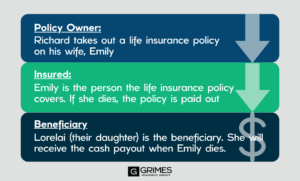
We’ve seen this scenario play out directly: someone takes out a policy on a spouse, both people contribute to the premium for years, and then the relationship ends. The person who isn’t the owner assumes they can update the beneficiary since they’ve been paying into it too. However, insurance companies look at ownership, rather than payment history. Without being the owner, there’s no way to make that change.
Knowing who owns your policy and who is listed as the beneficiary becomes especially important when your family circumstances change.
Life Insurance Mistake #4: Not Planning for a Minor Beneficiary
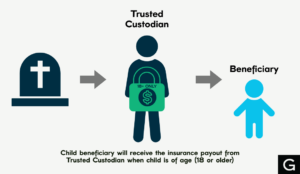
On the topic of policy roles, parents often assign their children as beneficiaries of their life insurance proceeds. The issue, however, is that most states do not allow insurance companies to issue payouts to minors.
So, naming a child as your beneficiary creates an important question:
Who will manage the money if the child isn’t legally able to receive and control it directly?
Instead of naming a minor and assuming the details will work out, there are measures you can take to ease the payout process. If you plan to list your young children as beneficiaries, ask your insurance agent and legal/financial professionals about your options. A few common methods worth discussing include:
- Establish a life insurance trust and designate a trusted custodian
- Designate your death benefit for specific purposes for your child
We recently worked with a single mother who wanted coverage not just on herself, but on each of her children. Her priority was making sure that if something happened to her, there would be someone in place — both to receive the funds and to actually use them for her kids, not just hold the title of beneficiary.
That’s the conversation every parent with minor children needs to have: not just how much coverage, but who’s responsible for it if you’re not there.
Life Insurance Mistake #5: Leaving Information Off Your Life Insurance Application
There’s a lot that goes into purchasing life insurance– especially when it comes to your application and medical underwriting. Factors like your age, gender, occupation, and health history are all considered when you apply.
And it’s tempting to think a medication, health condition, or old diagnosis isn’t important enough to

mention when applying. But leaving information off your application can create problems during the underwriting process.
Why is medical history important for life insurance?
The underwriting process can affect both your eligibility for coverage and the premium you’re offered.
And all of the information your insurer (or the underwriter) asked you about? These details help insurance companies determine the perceived risk of insuring you.
Do you smoke? Does heart disease run in your family? Have you been diagnosed with any chronic illnesses? If so, you may be considered a higher risk. And the riskier you appear, the higher your premiums might be.
If information comes to light that wasn’t included on the application, it can affect the underwriting decision, premium, or how long it takes to complete the process.
We’ve seen this happen even to clients who aren’t hiding anything on purpose.
One client was in a serious car accident and, during treatment, was prescribed medication she never actually filled or took. She didn’t think to mention it on her life insurance application months later — it wasn’t something she considered relevant. But because it was in her medical records, the insurer flagged it during underwriting, and she had to go back and prove she’d never filled the prescription before her policy could move forward. Even information that feels minor or unrelated can surface, and it’s easier to disclose it upfront than to untangle it after the fact.
The best approach is to answer the questions as accurately as you can and ask your agent if you’re unsure whether something needs to be disclosed.
Your goal isn’t to tell the insurer only what you think they want to hear. It’s all about giving the insurer an accurate picture of your health and circumstances from the beginning.
Avoid These Life Insurance Mistakes Before They Become Problems
Life insurance is easy to put on the back burner, but your coverage should keep pace with the changes in your life. Marriage, children, a new home, or a changing income can all be reasons to take another look at your policy.
The good news is that avoiding these mistakes doesn’t necessarily mean changing your policy. It starts with understanding whether your coverage, policy ownership, beneficiaries, and application information still reflect your family’s current situation.
Now that you know what to look for, review your current policy and consider whether anything in your life has changed since you first purchased it. If you’re unsure of what type of insurance you need, start by learning the differences between term and life insurance policies and which one might be the best fit for you. Or, give our office a call to connect with a life insurance agent to discuss your options.
At Grimes Insurance Agency, we’ve helped families navigate these questions for 78 years. If your review raises questions about your coverage or beneficiaries, our agents are here to help you understand your options.