
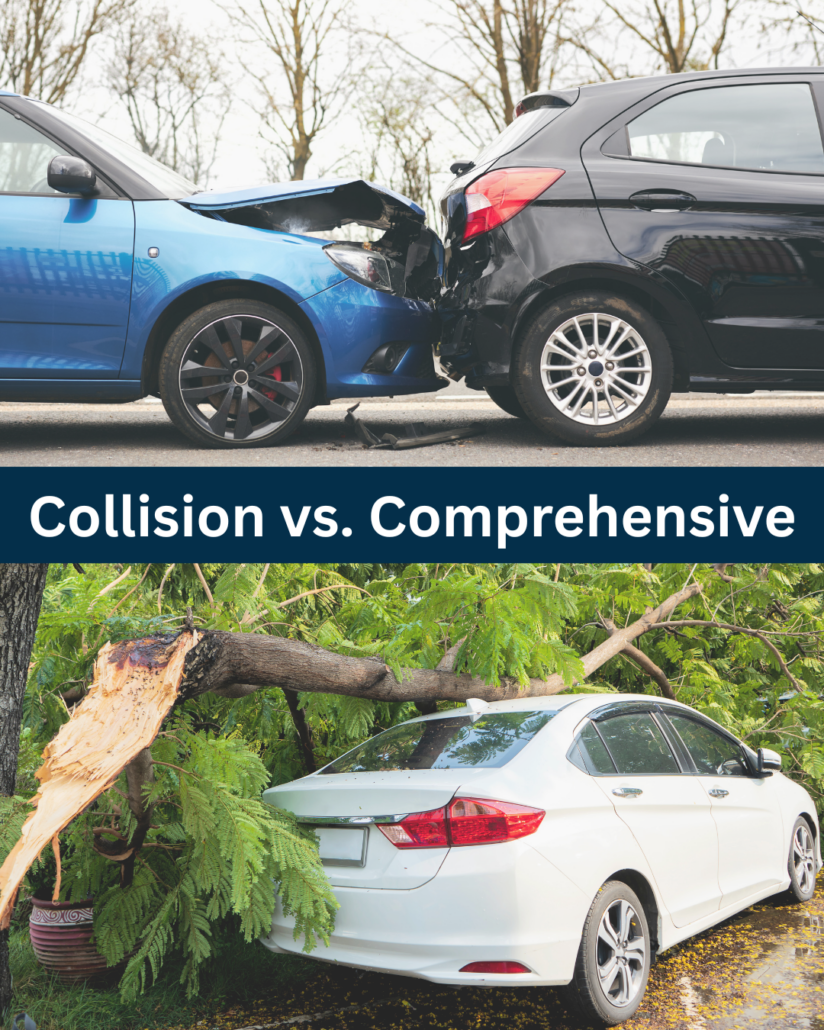
Collision vs. Comprehensive Coverage: What Do They Cover?
What is collision and comprehensive coverage? Are they different? And do I really need them?
If you’ve ever found yourself asking these questions, you’re not alone. Whether it’s your first car or fifth, making auto insurance decisions can feel intimidating. Auto coverage terms and definitions quickly blur together, leaving you unsure about whether you’re properly protected or paying for coverage you may not need.
At Grimes Insurance Agency, we’ve helped West Texas drivers make sense of their auto coverage since 1948. We realize the importance of understanding how different types of protection work and what they protect against before hitting the road.
In this guide, we will walk you through the differences between collision and comprehensive coverage, when you need both, and how liability fits into the equation so you can make a more informed decision about your auto insurance.
What is the Difference Between Collision and Comprehensive Coverage?
Collision Coverage
Collision coverage involves accident damage resulting from colliding with another object, another vehicle, or overturning your vehicle, and costs on average $290 per year. This includes:
- Running into poles, mailboxes, fences, or any other stationary object
- Hitting a pothole
- Crashing into another vehicle
- Hit-and-Run driving accidents
Whether you are at fault or not, collision coverage will apply to the incident.
Let’s say you’re in the supermarket parking lot. You find a parking spot and decide to back into it. However, you didn’t see the light pole behind you and collide with it, damaging your car’s rear.
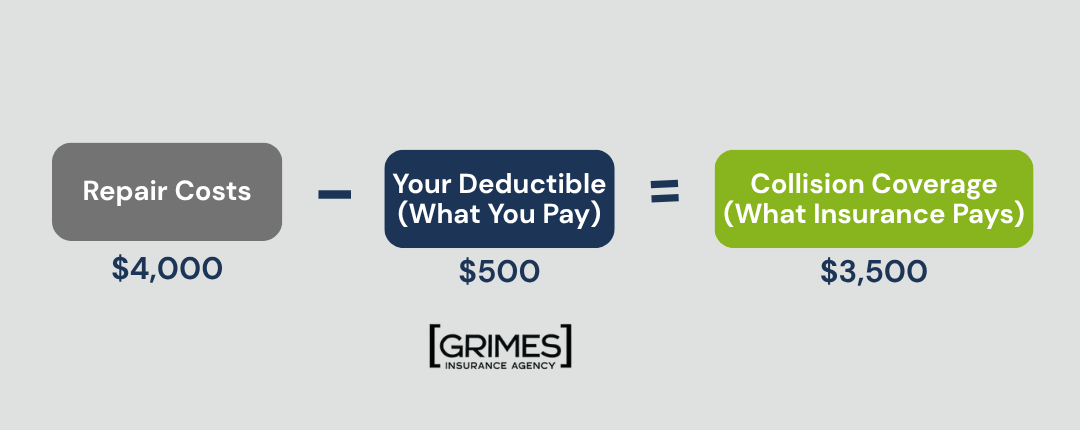
Your collision coverage would cover the cost of repairs to your vehicle, minus your deductible.
If your vehicle was totaled, collision coverage would pay out the actual cash value (ACV) of your vehicle, which is its market value immediately before the accident occurred.
Comprehensive Coverage
Comprehensive coverage covers car damage unrelated to a crash and often beyond your control. On average, this coverage option costs a little over $134 per year. This can look like:
- Damage from natural disasters (floods, tornadoes, etc.)
- Damage from the elements (wind, hail, falling tree limbs, etc.)
- Theft and/or vandalism
- Run-ins with animals or wildlife
The term comprehensive insurance incidents has been widely referred to as “acts of God”, meaning unexpected situations that are out of your hands.
Imagine the seasonal dust storm rolls through Lubbock once again. However, this time the wind gusts are so intense that they flip your trampoline into the air and… onto your vehicle.
Comprehensive insurance would cover the damage caused to your vehicle, minus the amount of your deductible.
Additionally, hitting a deer may seem like a collision accident, but insurance companies generally classify animal strikes under comprehensive coverage. The confusion is understandable, making being able to tell the difference between the two all the more valuable.
Let’s look at a few more situations together and see which coverage option would apply:
A Side-by-Side Comparison
| Situation | Collision | Comprehensive |
| Backed into your neighbor’s fence | ✔ | 𝙓 |
| Parked outside in a hail storm | 𝙓 | ✔ |
| Ran into a tree | ✔ | 𝙓 |
| Tree branch falls on vehicle | 𝙓 | ✔ |
| Vehicle was stolen | 𝙓 | ✔ |
| Rear-ended another vehicle | ✔ | 𝙓 |
Do you need both coverages?
Unless you own your car outright, there’s a good chance your lease or loan requires both collision and comprehensive insurance. If your vehicle is paid off, carrying both becomes optional. In that case, you can also carry one without the other.
However, even when they are not required, many drivers still choose both coverages. In fact, nearly four out of five drivers still consider them worth having because of the additional protection they provide.
Collision and comprehensive insurance work together
While having both options isn’t always a necessity, collision and comprehensive insurance are designed to complement one another. At Grimes Insurance, we’ve seen that customers feel the most secure when building both into their insurance policy.
Check out this video and learn more about how collision and comprehensive coverage can apply to you:
Every driver has a different set of needs and external factors, so it’s important to consider all exposure points before leaving any amount of coverage on the table.
What Factors Should Influence Your Coverage Decision?
Weather and road conditions
Your driving environment makes all the difference when deciding between coverages.
Weather can be unpredictable, especially in West Texas. Unexpected hail and dust storms can make comprehensive coverage a priority for auto owners.
Driving in areas with heavy traffic, road construction, or uneven roads can increase the need for additional protection. When you find yourself in a fender bender during rush hour traffic, extra coverage like collision insurance might become a wise investment.
Vehicle value
The value of your vehicle can help determine whether collision and comprehensive coverage are worth carrying. As vehicles age and lose value, the potential for an insurance payout after a claim may become less significant compared to the cost of the coverage itself.
For example, if your vehicle is worth $3,000 and you have a $1,000 deductible, a claim may result in a smaller payout. However, if replacing or repairing your vehicle would create financial hardship, keeping collision and comprehensive coverage may still make sense. The key is balancing your vehicle’s value with your ability to cover unexpected expenses out of pocket.
Financial situation
Most policy owners who choose not to carry collision or comprehensive coverage are comfortable paying for vehicle repair or replacements out of pocket. However, that is not always realistic for every driver.
Both coverages include a deductible, which is the amount you pay before insurance helps cover a claim. Choosing a higher deductible can lower your premium, while a lower deductible usually means paying more each month.
When evaluating your options, ask yourself: If my vehicle were damaged tomorrow, how much could I realistically afford without insurance? Your answer can help determine whether collision and comprehensive coverage make sense for your situation.
The challenge isn’t deciding between the two, but understanding the kind of coverage that makes sense to carry.
When Do Collision and Comprehensive Become Full Coverage?
Collision and comprehensive coverage are also part of a greater picture termed “full coverage”.
Full coverage combines three coverages: collision, comprehensive, and liability.
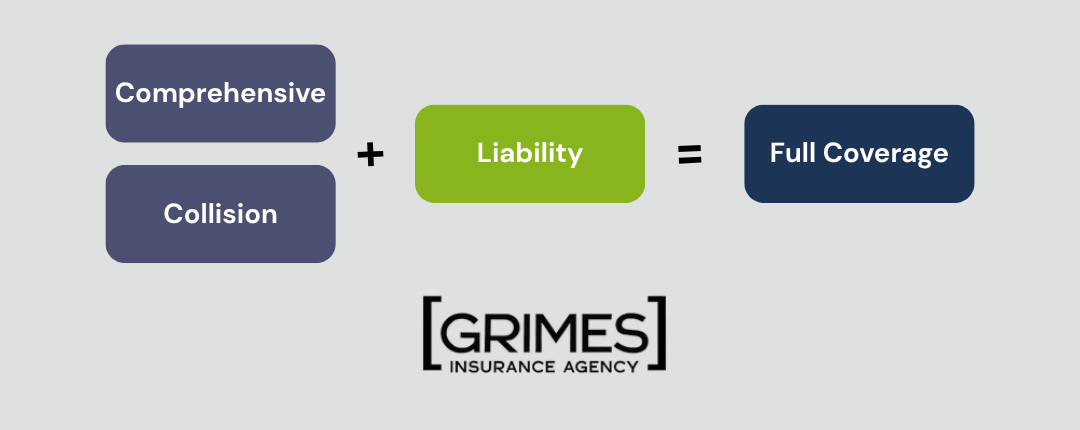
Liability coverage helps pay for damages or injuries you may cause to others in an accident. In Texas, the minimum required liability limits are 30/60/25. This stands for $30,000 per person for bodily injury, $60,000 per accident, and $25,000 for property damage.
Policyholders can increase liability limits, but many drivers choose to keep only the minimum requirement to save money on coverage. However, this is one of the most common mistakes drivers can make.
While cost is important, choosing a policy based only on the lowest monthly payment can leave gaps in protection when it matters most. Not carrying enough liability coverage can also leave you financially exposed if at fault in an accident.
Want to know the difference between liability and full coverage insurance? Read Liability vs. Full Car Insurance Coverage Explained to understand how they compare.
Practical Advice
When it comes to building a policy, a good rule of thumb is ensuring your liability coverage is set at a strong level for your needs. From there, adjust your collision and comprehensive deductibles based on your budget and comfort with risk.
For example, you may carry $250,000 in liability coverage to cover injuries or property damage if you cause an accident. At the same time, you could choose collision and comprehensive coverage with a $500 deductible to help protect your own vehicle from damage.
That way, collision and comprehensive coverage protect you and your vehicle, and liability coverage protects others on the road.
Many drivers assume one type of coverage is enough, but insurance isn’t one-size-fits-all. Thinking through how and where you drive can help you make clearer decisions. Remember that, in reality, different situations require different types of protection.
Consider Your Risk
At the end of the day, choosing the right auto insurance boils down to understanding your own level of risk and the different types of coverage. While the auto insurance universe is full of confusing terms, this article has helped you be two steps ahead.
You now know the difference between collision and comprehensive coverage and what they actually protect. You can confidently build your auto policy, protecting your vehicle with coverage that makes sense for your needs.
Taking the time to understand collision, comprehensive, and liability coverage helps you build a policy that fits your situation, rather than just checking a box.
At Grimes Insurance Agency, it’s more than simply meeting requirements. Our certified team believes drivers should feel informed and confident when making insurance decisions.
If cost is one of the biggest factors influencing your coverage choices, your next step should be learning why the cheapest auto policy isn’t always the best option. Understanding the relationship between premiums, deductibles, coverage limits, and overall protection can help you make a more informed decision about your policy.
Is your vehicle covered from the West Texas elements? Request a quote and review your auto policy with a certified insurance agent today. Grimes Insurance Agency is ready to help you protect your assets and ensure you have what you need before hitting the road.


