

To Bundle or Not to Bundle? Home & Auto Insurance Explained
By: Ryan Reynolds, CLU® & Emmerson Reynolds
Ever had someone ask if you want to bundle your home and auto insurance and thought: “What does that even mean—and why would I do that?” You’re not alone.
Bundling might sound like a marketing gimmick, but it can actually be a smart financial move if it fits your situation. Let’s break down the real benefits of bundling, the potential drawbacks, and how to decide if it’s right for you.
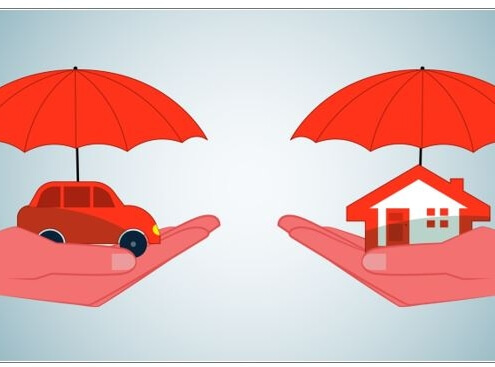 What Is Insurance Bundling?
At its core, bundling means buying home and auto insurance from the same company.
Instead of juggling multiple providers, accounts, and bills, you simplify everything under one roof. But bundling isn’t just about convenience—there are real financial and practical advantages.
Why Do People Bundle Insurance?
- Savings Through Multi-Policy Discounts
The most popular reason: discounts.
Most insurers offer 10%–25% off when you bundle, often applied to both policies.
Example:
- Auto: $1,200/year
- Home: $1,500/year
- Bundled savings: up to several hundred dollars a year
- Common Deductible Perk
Some companies offer a common deductible feature.
- Hail damages your roof ($2,000 deductible) and your car ($1,000 deductible).
- With separate companies: you’d pay $3,000.
- With bundling: you may only pay $2,000—the higher deductible.
- Convenience and Simplicity
Bundling means:
- One point of contact
- One bill
- One renewal date
- One claims process
This makes life easier—especially after a storm or accident.
- Smoother Claims Experience
Bundled policies often allow one adjuster to handle both claims, speeding up the process. In stressful times, fewer delays can make all the difference.
- Loyalty Rewards
Many insurers give bundled customers perks like:
- Accident forgiveness
- Disappearing deductibles
- Extra loyalty discounts over time
When Bundling Might Not Be the Best Fit
Bundling isn’t always the cheapest or smartest option. It might not make sense if:
- You have a young driver on your auto policy (raising costs).
- You own an older home (some carriers charge more).
- You need specialized coverage that one insurer doesn’t offer.
👉 Pro tip: Always compare bundled and unbundled quotes.
Bundling Insurance: Pros vs. Cons
Here’s a quick side-by-side look:
| Pros of Bundling Home & Auto Insurance | Cons of Bundling Home & Auto Insurance |
| Potential savings (10%–25% discount) | Not always the cheapest option if one policy is high-risk |
| One deductible for multiple claims | Limited carrier options if you bundle |
| Simplified bills, renewals, and claims | Discounts may shrink after the first term |
| Faster claims handling (single adjuster) | Unbundling later can sometimes be harder |
| Extra loyalty perks (accident forgiveness, etc.) | Specialized coverage may require a separate insurer |
Should You Bundle?
For many homeowners, bundling means saving money, simplifying life, and improving claims service. But since it’s not always one-size-fits-all, the best move is to compare both options.
At Grimes Insurance, we’ll help you weigh the pros and cons, run both bundled and unbundled quotes, and make sure your policies are working better together.
📞 Want to know if bundling makes sense for you? Contact us today at 806-762-0544 or at www.GrimesInsurance.com and we’ll walk you through the numbers.


