
Why Do Commercial Insurance Rates Change?
By: Carlos Chavira, Commercial Lines – Executive
Executive Summary:
Commercial rates change because of your business operations, claims history, and broader insurance-market conditions. Even if nothing obvious has changed, your premium may increase because repair costs are rising, carriers are adjusting pricing, or fewer insurers are willing to cover your business’s type of risk. You can’t control every factor, but you can prepare by keeping your business information current, managing preventable losses, reviewing your coverage, and starting the renewal conversation early.
You open your commercial insurance renewal and see a higher premium than you expected. You haven’t filed a major claim or made any obvious changes to your business. So why are you paying more?
It’s frustrating when insurance costs change without a clear explanation. But a business premium increase doesn’t automatically mean you’ve done something wrong. The reason could be something about your business, something happening in the insurance market, or a combination of both.
Grimes Insurance Agency has helped West Texas business owners navigate commercial insurance since 1948. Understanding what drives rate changes can help you ask better questions, evaluate your options, and prepare for renewal before you’re under pressure to decide.
By the end of this article, you’ll understand:
- How business changes affect your rate
- How the insurance market affects your rate
- What to do with the rate factors you can control
Why do commercial insurance rates change?
Commercial insurance rates generally change for two broad reasons: changes in your business and changes in the insurance market. Understanding the difference can help you identify which factors you can influence and which ones are outside your control.
How can changes in your business affect your commercial rate?
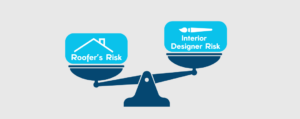
While it might seem like a magic number, your premium is carefully evaluated during a process called underwriting. Each insurance carrier uses its own rating formula based on something we like to call their “risk appetite”. Your industry, operations, exposure, and claims history are what set the table for it. For instance, a roofing contractor has a different set of risks than an interior designer.
Common factors for a changing premium include:
- Your industry and the work you perform
- Your revenue and payroll
- Your claims history
- Changes in your operations
When those items change, your coverage and premiums change with them. For a closer look at how sales, payroll, classifications, and additional factors influence contractor premiums, read How Much Does Contractor Insurance Cost?.
How does the insurance market affect your commercial rate?
If you’re thinking to yourself, “But nothing about my business or its operations has changed…”, there’s another factor to consider: the insurance market.
Insurers also respond to broader market conditions that can affect the cost and availability of coverage. The conditions can include:
- General inflation
- Higher repair and replacement costs
- Reduced competition
- Severe weather losses
- Changes in an insurer’s risk appetite
When insurers face more expensive claims, they may adjust pricing to account for the increased cost of providing coverage across the market. These conditions can also vary by location and type of business.
How do West Texas conditions affect your commercial insurance rates?
In hail-prone areas like West Texas, severe weather can affect commercial property pricing, coverage availability, and deductibles offered.
Following the June 2025 tornado, our Grimes team observed significant increases in commercial wind and hail deductibles across Lubbock. In some cases, deductibles that had been around 2% increased to approximately 6% due to the storm’s massive number of damage-related claims.
Your premium or out-of-pocket costs can increase even when your business hasn’t changed. That’s why understanding what’s driving the increase is an important first step.
Which commercial insurance rate factors can you control?
While you can’t control things like inflation, severe weather, or the decisions your carrier makes, you CAN take steps to prepare your policy. Let’s break down how you can keep your policy accurate, manage preventable risks, and make informed decisions about your coverage.
1. Keep your business information up to date
Your insurance policy should reflect the business you operate today, not the business you ran a year ago.
Think about what may have changed since your last renewal:
- Have you added a new service or type of project?
- Has your payroll or revenue changed?
- Have you purchased or sold vehicles, tools, or equipment?
- Have you added employees or expanded to new locations?
- Have your contracts or subcontractor agreements changed?
If you answered yes to any of these questions, your insurance agent wants to know about it! Your premium might change depending on how your carrier evaluates your company’s risk… but outdated information can create costlier problems beyond pricing. It may also mean your coverage no longer reflects the work you’re doing.
For example, many of our clients have expanded their businesses to include multiple trades. A plumbing contractor wanted to begin offering HVAC services. Because they shared this with their agent, our commercial team helped them modify their existing policy before they took on an uncovered job.
Business growth is something to celebrate! But if your insurance doesn’t follow suit, coverage gaps will begin to affect your rates more than a policy change.
If you’re looking for ways to prevent coverage gaps, learn about 4 common contractor insurance gaps you can avoid.
2. Manage preventable losses
Workplace injuries and property damage can create high costs for businesses. According to the Occupational Safety and Health Administration (OSHA), Liberty Mutual estimated that employers paid more than $1 billion per week for workers’ compensation-related claims in 2025. Ouch!
How can claims affect your workers’ compensation insurance rates?
If your business carries workers’ compensation insurance, claims history can affect your premiums through the experience modification factor (EMOD).
Your EMOD is a value that compares how your business ranks against others in your industry based on your workplace losses. A lower EMOD decreases your premium. A higher EMOD can increase it.
For a deeper dive into EMODs, watch this video to learn more about how they affect your business and premiums:
You can’t prevent every accident, but you can take steps to reduce some of the risks that lead to a higher number of claims.
Depending on your business, that could mean:
- Training employees on safe work practices
- Maintaining vehicles, tools, and equipment
- Following job-site safety procedures
- Addressing known property hazards
- Reviewing previous losses to identify patterns
- Consider paying smaller claims out of pocket
Should you file a commercial insurance claim or pay out of pocket?
If your business does face an accident, paying for damage out of pocket can be one of the best ways to prevent your insurance rate from increasing. It sounds backwards; we know. But your business’s claims history directly affects your company’s risk profile and insurance premium.
If your business can pay smaller claims out of pocket, it may be worth considering. However, your policy terms, the size of the loss, potential liability, and reporting requirements all matter.
Getting another perspective and talking through these items with your insurance agent can be helpful. If you’re looking for someone to help you identify your business’ potential blind spots and where you may be able to reduce risk, call our office to connect with our commercial team. Our agents are available to provide advice wherever you’re at in the process.
3. Review your coverage, deductibles, and exclusions
Remember that your premium is only one part of your insurance policy. Your coverage limits, deductibles, exclusions, and covered operations also determine how your business is protected.
Increasing a deductible may reduce your premium in some circumstances, but it also means your business would pay more out of pocket for a covered loss.
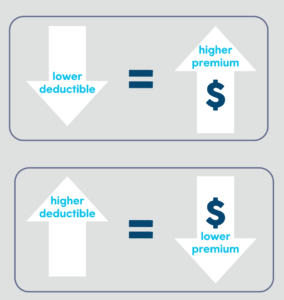
Before changing your policy, consider:
- Could your business comfortably afford the higher deductible?
- Are your liability limits appropriate for your contracts and operations?
- Do your property and equipment values reflect what you need to insure?
- Are there exclusions or coverage limitations you should understand?
We’ve seen clients learn about exclusions the hard way. Once, a roofing company was insured under a policy that excluded hot work, a common labor (involving heat and torches) roofers use for their services.
However, after using this method on a client’s home, an accidental fire started and spread to the garage, causing $89,000 worth of uncovered damage. Because their policy excluded hot work, insurance didn’t cover any of the damage, and their business had to shoulder the full amount!
The most expensive commercial costs can come from simply misunderstanding your policy or having inadequate coverage where your business needs it the most.
4. Compare your renewal options
Different insurance carriers evaluate businesses differently. One carrier may be more competitive for your industry, while another may offer a better fit for your operations or coverage needs.
Shopping for business insurance with an agent shouldn’t feel like going in blind. If your renewal premium increases, ask your agent to explain the change and whether other options are available. At Grimes, we want to help our clients be prepared and knowledgeable in every part of their policy.
When comparing quotes, we encourage you to look beyond the total price. You should review:
- Coverage limits
- Deductibles
- Exclusions and limitations
- Covered business operations
- Other important policy terms
A lower quote isn’t necessarily a better deal if it provides less protection. Make sure you’re comparing similar coverage before deciding whether to switch carriers.
Grimes can help you review your commercial insurance options
Commercial insurance rates can change for many reasons. Some are connected to your business operations, claims history, or coverage choices. Others reflect insurance market conditions, locality, and risks outside of your control.
The first step is to understand what’s driving the change. From there, you can determine whether your policy needs an update or whether it makes sense to compare options from other carriers.
Grimes Insurance Agency has helped West Texas business owners through these kinds of decisions for over 78 years. As an independent agency with a network of 100+ carriers, we can help you review your current coverage and explore whether additional carrier options are best for your business.
If your premium has increased, or you want to be better prepared for your next renewal, contact our office to review your options together. Or, if you’re not quite ready to discuss your business needs, read our Guide to Comparing Contractor Insurance Quotes to learn what to evaluate before deciding on your policy.
You may not be able to control every commercial insurance rate increase, but you can take steps to understand your options and make informed decisions about your coverage.
Frequently Asked Questions
Why did my commercial insurance premium increase if I didn’t file a claim?
Your premium may increase because of broader insurance market conditions, rising repair or replacement costs, severe weather losses, or changes to your carrier’s underwriting guidelines. Your business information and coverage terms can also affect the price.
Can changing my business operations affect my commercial insurance rate?
Yes. Changes to your services, payroll, revenue, equipment, or locations may affect how a carrier evaluates and prices your coverage. Tell your agent about significant changes so your policy can be reviewed.
Will raising my commercial insurance deductible lower my premium?
It may lower your premium, depending on your policy and carrier. However, a higher deductible means your business would pay more out of pocket for a covered loss. Consider the potential savings alongside the amount your business could afford to pay after a claim.
When should I start preparing for my commercial insurance renewal?
Consider starting about 90 days before renewal. That gives you time to review your business information, discuss coverage needs with your agent, and explore other options if needed.
Should I switch insurance companies if my commercial insurance rate goes up?
Not necessarily. First, ask why the premium increased and compare your renewal with other available options. Make sure you’re comparing similar limits, deductibles, exclusions, and coverage terms before deciding.


