4 Things to Know Before Changing Insurance Companies

By: Linda Chapman, Retention – Executive


Executive Summary:

Changing insurance companies can help you save money, but a lower premium doesn’t always mean a better policy. Before switching, compare policy limits, deductibles, exclusions, endorsements, and claims service. Most importantly, don’t cancel your current insurance policy until your replacement coverage is confirmed and active. Understanding these four considerations can help you make an informed decision and avoid unnecessary coverage gaps.


Are you considering changing insurance companies? Maybe your premiums have increased, you’re frustrated with your current carrier’s customer service, or you’ve found a cheaper insurance quote. Whatever the reason, switching insurance companies can be a smart decision, but there’s more to consider than the price.

A lower premium could mean higher deductibles, reduced coverage limits, or missing endorsements that protect you against specific losses. Canceling your existing policy too early could also leave you without insurance when you need it most.

At Grimes Insurance Agency, we help clients compare insurance options and work through the details that can make or break a smooth insurance transition. We’ve seen firsthand why it’s important to look beyond the premium and understand the coverage and service you’re actually receiving.

Before you make a switch, here are four important things to consider.

1. Why are you considering changing insurance companies?

Before looking for a new insurance company, take some time to understand why you’re considering a change in the first place. 

Insurance doesn’t fit everyone perfectly, and we’ve heard plenty of reasons why clients consider changing carriers. Some of the most common answers include:

  • Increasing premium prices
  • Inadequate coverage for their needs
  • Inconsistent communication
  • Disappointing customer service during a claim

While these are all valid reasons to explore other options, it’s important to understand what’s causing the problem before making the decision. 

For example, if your insurance premium has increased, consider whether changes in the insurance market, claims activity, or your individual policy have contributed to the increase. A higher premium doesn’t automatically mean a different insurance company is a better fit. 

On the other hand, if you’re consistently experiencing poor communication, or aren’t receiving the service you expect, exploring other carriers may make sense. 

The first step is understanding what you want to improve. Do you need help personalizing your policy? Read about Grimes’ Approach to Personalized Insurance to learn how you can make your coverage fit better. 

2. What should you compare before changing insurance companies?

If you find a cheaper quote, ensure that it’s a better deal before you make things official. We recommend comparing the policies themselves, not just the premiums. This looks like reviewing items such as:

  • Coverage limits
  • Deductibles
  • Liability limits
  • Exclusions
  • Endorsements
  • Policy fees and discounts
  • Claims service and company ratings

A lower premium can be a smart move if you’re getting comparable protection from a carrier that meets your needs. But if the savings come from lower limits, higher deductibles, or missing coverage, you may be taking on more risk than you realize. 

For example, saving $1,000 a year on your homeowner’s policy could be worthwhile if the coverage is comparable. However, what happens if the new insurance company doesn’t offer an important endorsement you currently have, such as hidden water leakage and seepage coverage?

That missing protection could make the potential savings less attractive if you experience a loss that would have been covered under your previous policy.

When comparing, the goal is to find the right balance between price, coverage, and service. Simply looking for a cheaper policy doesn’t guarantee the right move. 

How should you evaluate an insurance company’s claims service and ratings?

Price and coverage aren’t the only things that matter when choosing an insurance company. You should also consider how the carrier handles claims and what its financial and consumer reputation looks like.

After all, insurance is something you purchase to help protect yourself financially when something unexpected happens. You want confidence that your insurance company will respond appropriately when you need to use your coverage.

At Grimes Insurance, we’ve seen how much these details can matter. In one client’s case, a sewer backup flooded their home from the alley. 

Because the backup didn’t begin on her property, her (SafeCo) policy wouldn’t initially cover the claim. Instead, the incident was considered a city responsibility. However, when the city denied her claim, we alerted her carrier. 

SafeCo stepped in and ultimately agreed to pay her $25,000 claim. The carrier also helped her pursue the matter with the city. 

This experience illustrates why claims handling matters in addition to price. Not all carriers handle similar claims the same way. Coverage depends on the policy language, applicable endorsements, the facts of the loss, and the insurer’s claim determination. 

How do you review an insurance company’s ratings?

Several resources can help you research an insurance company’s financial strength, complaint history, and reputation.

One useful resource is the National Association of Insurance Commissioners (NAIC) Consumer Insurance Search tool, which provides information to help consumers research insurance companies, including complaint information and licensing details.
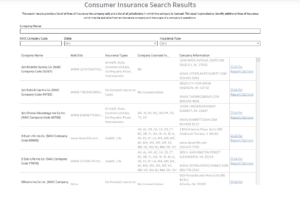
Screenshot of the NAIC Consumer Insurance Search Tool page.

The Insurance Information Institute also recommends the following resources when comparing:

3. When should you cancel your existing insurance policy?

If your comparison leads you to switch companies, DO NOT cancel your existing company’s insurance policy until your replacement coverage is in place. 

This is one of the most important steps in the switching process. A quote is not the same as an active policy, and an application may still be subject to underwriting requirements or final approval. 

If you cancel your existing policy before your new coverage begins, you risk falling into an insurance lapse. If a covered event occurs during that period, you’d be required to pay for the loss yourself. 

What is an insurance lapse?

An insurance lapse occurs when your existing policy ends and replacement coverage is not active for a period of time. Even a short gap matters, potentially affecting your ability to obtain insurance or the price you’re offered later. 

Lapsed insurance is extremely common when policyholders change companies. It can take time for an insurance policy to be bound with a new carrier, and cancelling your old policy before it’s ready can leave you uninsured. 

How can you avoid a coverage gap when changing insurance companies? 

To avoid this mix-up, stay in constant communication with your agent and don’t cancel until your new coverage is verified. 

Before cancelling your current insurance, confirm:

  • The new insurance carrier has accepted your application
  • All underwriting requirements have been completed
  • You understand the final premium, deductibles, limits, and exclusions
  • You have written, verified confirmation of the new policy and its effective date and time

At Grimes, we get that insurance timelines can get confusing, but you don’t have to face them alone. We’ll help you coordinate the transition so you know when your new policy is active and it’s appropriate to cancel the old one. If you’re considering an insurance company change, call our office to connect with an agent before submitting a cancellation request.

4. How do you change your insurance company?

Changing insurance companies is easier when you follow a clear sequence. Each step has a purpose, and completing them in the right order reduces the risk of missed payments, incorrect policy details, or lapsed coverage. After a conversation with your agent, 

  1. Review your current policy
  2. Gather accurate information for quotes
  3. Compare policies
  4. Complete your new application and any required payment
  5. Confirming your new coverage is active
  6. Cancel your old policy

Following these steps can help you make a smooth insurance transition while maintaining the protection you need.

Grimes Insurance can help you change insurance companies 

Changing insurance companies can be a worthwhile decision, especially if you’re able to find better coverage, service, or pricing elsewhere. But before making the switch, take the time to understand why you’re leaving, compare the actual policy details, research the new carrier, and coordinate your cancellation dates. 

Remember, the goal isn’t about finding a cheaper insurance policy. It’s finding the right protection at a price that makes sense for you.

At Grimes Insurance Agency, we understand how important it is to feel confident in your insurance coverage. With a network of 100+ insurance carriers, we’ve helped clients navigate policy changes, compare carriers, and work through the details. 

If you’re considering changing insurance companies, call our office to connect with an agent. We’ll help you evaluate your options, understand the differences between policies, and determine what makes the most sense for your insurance needs. Or, if you’re still debating, learn more about coverage gaps and learn How to Tell if You’re Underinsured.


Frequently Asked Questions About Changing Insurance Companies

Can you switch insurance companies at any time?

In many cases, you can change insurance companies before your existing policy expires. However, your current policy’s cancellation terms may affect the process, including whether cancellation fees or other charges apply.

Review your policy and speak with your insurance agent before making a change.

Will you receive a refund if you cancel your insurance policy early?

You may receive a refund for the unused portion of your premium if you cancel your policy before its expiration date. However, the amount depends on your policy’s cancellation terms and whether any fees or other charges apply.

If your homeowners insurance premium was paid through an escrow account, you may have additional questions about what to do with your refund. Read our article, Got a Refund Check from Your Old Insurance Company?, to learn what happens to that money and whether it needs to go back to your mortgage company.

Ask your current insurance company how it calculates refunds before canceling.

Does changing insurance companies affect your insurance history?

Switching insurance companies doesn’t automatically erase your previous insurance history. New insurers may consider factors such as prior coverage, claims history, and previous lapses when evaluating your application.

Maintaining continuous coverage is important when transitioning between carriers.
How Does Grimes Compare Insurance Options?

By: Hayley Rodriguez, Personal Lines – Sales Executive


Let’s face it. Comparing insurance quotes is not an easy feat. Between the policy language, similar pricing, and an endless number of options, it’s enough to go cross-eyed. 

Choosing a policy involves more than price; it also involves finding the right kind and amount of coverage. But how do you look for both? What starts as a simple search can easily become a spiral of questions and confusion. 

Working with a diverse network of 100+ insurance carriers, Grimes Insurance understands the struggle. For over 78 years, we have helped West Texans take the guesswork out and find the best coverage for them and their families! 

By the end of this article, you will understand what our carrier comparison process looks like, including: 

  • What we look for when comparing
  • How we narrow your insurance options
  • How our comparison helps you find the right coverage

How does Grimes compare insurance options?

Grimes Insurance follows a process that starts with a broad group of carriers and gradually narrows the options based on your specific situation. Let’s break it down.

Step 1: Grimes gets initial quotes from multiple insurance carriers

Once an agent receives your quote form, Grimes uses rating software to pull initial quotes across our network of carriers all at once. 

This step is all about scouting out your options and seeing what’s available. The initial quotes give your Grimes agent a starting point for determining which carriers are worth looking at more closely.

How does Grimes shop across carriers?

Grimes Insurance is an independent insurance agency. Unlike a captive insurance agent who works for a specific insurance company (like Progressive, GEICO, or Nationwide), our agents have the ability to shop with multiple carriers at once. 

How does that work? Let us explain:

Independent insurance agent Captive insurance agent
  • Represent multiple insurance carriers rather than a single company. 
  • Not employees of any one insurer, but work on behalf of their clients.
  • Represent a specific insurance company. 
  • Employed by a single carrier and offer coverage only with their company.

Independent agents aren’t better than captive agents, or vice versa. However, independent agents can help you search more policy options at once. Deciding which type of agent you work with boils down to the options you need. 

Still curious about the difference? Read How Do Independent Insurance Agencies Work? to learn how independent and captive agents compare in the search for insurance.

Step 2: Grimes matches carriers to your specific situation and information

Once the initial quotes are available, the next question is: which of these carriers actually makes sense for you?

Insurance is all about making it personal AND specific. We know that coverage isn’t one-size-fits-all, which is why we take the time to consider all factors that can affect your situation. 

What information is important for comparing insurance options?

Depending on what you’re looking to insure, the information your agent will need from you can vary. Building out an insurance quote involves both information about what you’re insuring (your home, vehicle, etc.) and personal information specific to you. 

Some of these details include:

Personal information Home details Auto details
Full name Roof age and condition Annual mileage
Date of birth House and construction type Accident history
Gender Square footage Driver training and history
Marital status Property address Vehicle identification number
Basic contact information Occupancy details Vehicle make, model, and year
Driver’s license number Recent renovations or updates Primary vehicle use

Prior to this step in the process, you will have already shared these details with your agent or included them when you requested a quote.

Keep in mind that at this stage, reports may not have been fully run, and some details may still need to be verified. Because of that, the initial premium isn’t necessarily what you’ll ultimately pay.

Once your information is confirmed, the price can change by hundreds or even thousands of dollars. 

Still curious about what your personal information can say about you and your policy? Read Grimes’ Approach to Personalized Insurance to learn how certain details help determine your coverage options.

The goal is to identify carriers that are actually a fit—not just carriers that happen to return a low number.

Step 3: Grimes narrows the options and fully works the strongest carriers

After the initial comparison and applied information, your list of carriers begins to narrow down. Typically, the broad list of carrier options becomes a smaller list of three companies your agent finds worth considering.

This is where the process goes beyond simply looking at prices.

Your Grimes agent fully builds out the strongest options using your verified information so the coverage, price, and carrier fit can be compared more accurately.

That means looking at more than the premium. Our agents consider policy details such as:

  • Coverage limits and exclusions
  • Deductibles
  • Available coverage endorsements
  • Available discounts
  • Policy and carrier requirements
  • Rating information
  • Underwriting guidelines

We become coverage detectives, if you will.

This part of the process matters because two policies can have very different coverage… even if their premiums look similar. 

A Tale of Two Policies: An Example of Insuring an Older Home

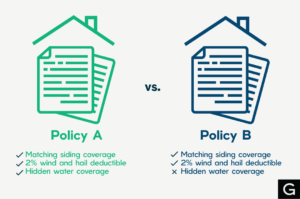
Let’s say you’re purchasing a 1970s home and looking to insure it. You receive two online quotes: Policy A and Policy B. However, their premium amounts are nearly identical, and you’re stumped on deciding. 

However, as you compare further, you realize only Policy A offers hidden water coverage, which is a major endorsement to have for an older home. (Nice catch!)

Image compares two policies: Policy A and Policy B. Policy A includes: Matching siding coverage, 
2% wind and hail deductible, and 
Hidden water coverage. Policy B include: Matching siding coverage,
2% wind and hail deductible, and NO
Hidden water coverage.

Unfortunately, not all homeowners make the same catch before deciding on the wrong policy. Working with a Grimes agent to spot those coverage gaps for you can make all the difference. 

A real comparison means comparing policies that are built around comparable coverage, not simply comparing how much they’ll cost. From the strongest three options, one quote is fully built out as the recommendation your agent will present you with.

Step 4: Grimes accounts for underwriting and keeps a backup option

Even after a quote has been fully worked, the process isn’t necessarily over.

What is underwriting?

Underwriting is the process insurers use to evaluate your personal risk, determining whether your property, vehicle, business, or item meets their guidelines. This process is happening behind the scenes and can change the picture of your policy.

This review might uncover missing documentation, property issues, or other information that wasn’t reflected in the initial quote. 

Sometimes, underwriting might come back the night before closing on a home policy asking for additional documentation. In some cases, the carrier may decline to write the property altogether. 

That’s exactly why Grimes Insurance agents keep a backup option available, even after the search.

If the first choice falls through, there’s already another viable option instead of starting the insurance shopping process again under time pressure. 

Step 5: Grimes presents you with options

The time has come, and it’s time for you to choose! But don’t worry, we’re still here to help you.

What does Grimes actually hand you after comparing insurance options?

Rest assured, you won’t be left with a pile of numbers to interpret on your own. 

Your Grimes agent will give you a fully worked recommendation based on your specific situation, explain why that option was selected, and keep a backup option on hand if needed. 

Our goal isn’t to overwhelm you with choices. It’s to do the comparison work for you and explain why the recommended policy makes sense. 

If at any point you’re unsure or want to consider different options, your agent is prepared to help you break down your coverage and go back to the drawing board. 

What does a real insurance comparison look like?

One family came to Grimes after their existing insurer gave them eight days to complete a long list of repairs– or they’d risk losing their homeowners’ coverage.

They weren’t just shopping for a lower price, but looking for someone who would be straightforward with them about what was actually going on with their property.

Rather than simply quoting another carrier, their new agent looked more closely at the issues identified by the existing insurer. Two in particular:

  • Removing a tree with overhanging limbs
  • Resolving an in-progress renovation to their home

Two example images of an in-progress home renovation aligned to the left. Aligned to the right, an example image of overhanging trees outside of a home.

Their Grimes agent verified the issues and connected the family directly with a contractor who could address them. 

In the end, the policy that ultimately worked increased their premium by roughly $600 across home and auto. Yet, they chose it anyway. 

“But now they’re paying more! Why would they choose that option?”

Because Grimes Insurance helped them understand exactly what they were getting, why the policy cost more, and why it made sense for their situation. 

That’s what a meaningful insurance comparison should provide: clarity about what you’re paying for, not just a list of numbers. 

How does Grimes make the insurance comparison easier?

There’s more to comparing insurance than collecting prices and making guesses. It’s about determining which policy and carrier make sense for you and explaining that recommendation clearly. 

Grimes Insurance starts with a broad group of carriers, verifies the information, narrows the options, and presents you with a recommendation that makes sense for you. It’s all part of the process to find you the best fit for coverage. 

If you have questions about how carrier comparison fits into requesting a quote, read about the Insurance Quote Process at Grimes Insurance Agency and learn what else you can expect. And when you’re ready to compare your current coverage with other options, request an online quote. Since 1948, Grimes Insurance has been ready to help you understand the differences and determine what makes sense for your home, vehicles, and situation.


Frequently Asked Questions

How many insurance carriers does Grimes compare?

Grimes initially pulls quotes from roughly a dozen-plus carriers, then typically narrows those options to about three carriers worth fully working based on your specific situation.

Why can my insurance quote change after I submit my information?

Initial quotes may be based on information that hasn’t been fully verified. Once reports, property details, claims history, or other information are reviewed, the premium or carrier eligibility can change.

Why doesn’t Grimes just recommend the cheapest insurance quote?

Because the lowest premium doesn’t necessarily represent the same coverage or the best carrier fit. Grimes considers the policy, coverage, property, vehicles, carrier requirements, and underwriting in addition to price.

Why does Grimes keep a backup insurance option?

Underwriting can change the outcome even after a quote has been fully worked. Keeping a backup option available means there’s another viable path if the primary carrier requests something unexpected or ultimately declines the property.

Grimes’ Approach to Personalized Insurance

You’re shopping for a new shirt when one catches your eye. The tag reads “one-size-fits-all”, simple enough. However, you try it on and realize…it doesn’t fit at all. 

Buying insurance can feel the same way. Between the unfamiliar terms, changing coverage options, and policies that look identical on paper, how are you supposed to find the right fit for your situation? 

It’s a question we’ve helped West Texans answer since 1948. At Grimes Insurance Agency, we start by breaking down the risks you actually face so that you can understand the coverage that fits your home, vehicles, and life.

By the end of this article, you will learn:

  1. What personalized insurance actually means
  2. How Grimes builds coverage around your specific risks
  3. Whether Grimes is the right fit for your insurance needs

What is Personalized Insurance and How Does it Work?

Personalized insurance means your policy is built around your specific circumstances rather than a standard coverage package. While every insurance policy includes certain standard protections, the right coverage for you depends on factors like your home, vehicles, what you own, your driving history, and your comfort with risk.

At Grimes Insurance, personalization means recommending the coverage that makes sense for your situation. Sometimes that means adding optional endorsements. Other times, it means explaining why additional coverage isn’t necessary.

Ultimately, personalized insurance is the process of matching coverage to the risks you actually face. The policy that works for your neighbor doesn’t mean it’ll work for you.

How Does Grimes Personalize an Insurance Policy?

The first step is having a conversation. Before recommending a policy, we need to understand who you are and what you’re trying to protect. 

What Does Grimes Need to Know About Me?

When connecting with an agent, you’ll be asked to share your personal details, such as your:

  • Age
  • Gender
  • Physical Address
  • Marital status

We’ve seen that clarity comes from intentional communication. Learning more about you helps us find you a better fit. 

What Does Grimes Need to Know About My Situation?

Depending on what you’re insuring, required information might vary.

If you’re insuring your home, we’ll ask questions like:

  • How old is your home?
  • What is your home made of?
  • How old is your roof? What’s its condition?
  • How many square feet is it?
  • How many people live there?
  • Are there any detached structures?
  • Have you made improvements or renovations? 

Or, if you’re insuring your vehicle, questions we’ll ask include:

  • What’s your vehicle make, model, and year?
  • How many drivers do you have in your household?
  • Does your vehicle have safety features?
  • What’s your driving history? Any accidents or previous repairs?
  • What is your vehicle’s current mileage? How often do you drive?

Most of this information is discussed with your agent during the quote process. You can request a quote any time by submitting our online form. Before starting the process, learn more about what requesting a quote looks like with Grimes Insurance. 

Why does this information matter?

Think of your life as a giant picture. Everything you own and care about is captured in it. Your home. Your car. Your family. Your job. Even your pets. 

Our job is to help you find the right frame for it. Building a personalized insurance policy is like placing a structure around what you want to protect. But before we can shop for the perfect fit frame, we have to see the entire picture. 

For example, the age of your roof can affect which insurance companies are willing to write your policy. Or having a teenage driver in the house may change your auto insurance needs. Even though it feels like a game of 20 Questions, these details make all the difference when making an insurance policy your own.

Image of a frame with the word "your life" placed inside of it. An arrow points to the outside of the frame with the words "Your Coverage"

How Am I Involved in the Policy Shopping Process?

Once we understand your situation, we begin comparing insurance options on your behalf. Consider us your personal shopper. 

As an independent insurance agency, we aren’t limited to a single insurance provider. Instead, we compare multiple carriers to help you find the coverage that matches your needs, budget, and risk profile. 

This comparison goes beyond price. We also look at:

  • Coverage limits
  • Deductibles
  • Available endorsements
  • Carrier underwriting requirements
  • Coverage exclusions

After shopping, we’ll provide you with the options we’ve found so you can make your decision. But it’s not a decision you have to make alone. 

During this time, we’ll explain the difference between your policy options so you can understand exactly what you’re comparing. Insurance policies can look similar on paper while offering very different levels of protection.

Rather than telling you what to buy, we help you weigh and walk through your options so you can make an informed decision with confidence.

Why Doesn’t Everyone Receive the Same Recommendation?

This is the magic of personalized insurance. 

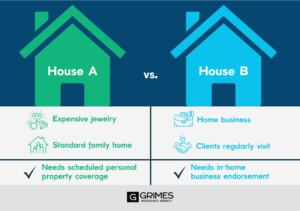
For example, two homeowners living on the same street may need different insurance coverage because their situations aren’t identical. One family may own valuable jewelry that exceeds a standard policy’s limits. Another may operate a business from their home. 

We might sound like a broken record, but insurance policies are never one-size-fits-all. It all boils down to your personal level of risk. 

Insurance risk is the probability of a loss happening and how much it would potentially cost. Depending on what you drive, where you live, and how you manage them, both can make or break your coverage options. But Grimes Insurance is prepared to help you understand what factors affect you and how.

Interested in learning more about the role insurance risk plays in coverage? Read about how insurance risk is calculated.

Graphic depicting comparison of house coverage example listed above

What Happens After You Purchase a Personalized Insurance Policy?

Choosing a policy is only the beginning of the relationship, and Grimes stays in touch long after it’s issued. As your life changes, your insurance needs often change with it. Once you become a client, you’ll continue to receive personalized support from our retention team. 

You can expect to hear from us throughout the year with:

  • Annual policy reviews
  • Premium and renewal reminders
  • Policy updates or changes

Personalized insurance means an ongoing conversation… which often results in a lot of questions. If you’re uncertain about your coverage at any point, contact our office and an agent will help you find an answer.

Why Does Local West Texas Experience Matter?

Personalization isn’t just about understanding you, but also about understanding where you live.

While insurance providers write policies nationwide, varying weather and regional risks require a different perspective. West Texas throws a lot at a home in a single year: hail, high wind, tornadoes, dust storms, and winter freezes. Roofs here rarely last the twenty or thirty years they might in a milder climate; five to seven years between hail events is closer to the norm.

Grimes Insurance has spent 78 years in this community, evaluating thousands of West Texas homes and risks. That kind of local depth means we know what a Lubbock roof is up against, which coverages actually get used here, and where a standard nationwide policy tends to leave gaps. Having someone in your corner who understands what living here means for your risk can make all the difference in your coverage. 

Our local experience helps us recognize potential concerns before they become claims and recommend coverage that’s appropriate for the realities of living in West Texas.

Is Grimes the Right Fit For You?

Not every insurance agency approaches coverage the same way. 

Building coverage around your life takes time, and we’re prepared to walk you through it. 

If you want an agent to help you compare and discuss options, Grimes Insurance may be the better fit.

But if you have a specific insurance company in mind and are committed to working with that carrier, our approach might not be what you’re looking for. Instead of comparing options from multiple insurers, you may benefit from working directly with an expert on that company’s services more.

Work with Grimes to Find Your Best Coverage Fit 

Finding the right insurance policy can feel overwhelming when every option looks familiar at first glance. The right coverage starts with understanding your risks, priorities, and what you want to protect.

Throughout this process, Grimes Insurance helps West Texas families move from uncertainty to confidence by comparing, explaining, and supporting them through their options. 

If you’re ready to see what personalized insurance could look like for your situation, your next step is to request a quote. We’ll start with a conversation about what matters most to you and what protecting it can look like.

The Insurance Quote Process at Grimes Insurance Agency

Wondering what happens after you request an insurance quote? Confused about what the insurance quote process even looks like? 

Well, don’t worry– you’re not the only one who’s unsure. 

Since 1948, Grimes Insurance Agency has helped West Texans navigate insurance decisions with confidence. Whether you’re shopping for auto, home, or life insurance, our goal is to make the quoting process clear and easy to understand. 

In this article, we’ll walk through what happens when you request an insurance quote, the information you’ll need to provide, and how to get answers about what your policy actually means. 

Step 1: Start the Insurance Quote Process Online

The first step is to complete the online quote form. Whether you are requesting a quote for personal insurance or commercial insurance, both forms are listed on our website and only take about 3-5 minutes to complete. 

What Kind of Information Will You Need?

You will be prompted to supply your personal details, such as your:

  • First and last name
  • Date of birth
  • Gender
  • Marital status
  • Phone number
  • Email address
  • Physical address

Depending on the type of insurance, additional details will vary.

Home Quote

Auto Quote

House Type

Driver’s License Number

Year Built

Vehicle Make and Model
Roof Age and Condition

Driver’s License Plate

Square Footage

Driving History

Occupancy Details

Current Insurance Information

For example, if you are requesting a quote for auto insurance, you will need to supply vehicle-specific information like your driver’s license number, the state you are registered in, and your car’s license plate. 

Unsure about sharing details over the web? Watch this video to understand what to expect after pressing submit. 

 While submitting the form online is the quickest way to get your information sorted, you can always reach out to our team for questions and guidance. We are available Monday through Friday, 8:30 a.m. to 5 p.m. CDT via phone call, email, or in-office. 

Step 2: Speak With a Grimes Insurance Agent About Your Quote

Once you submit the online form, your information will be given to a Grimes Insurance agent. 

Your agent will be available to guide you through the process and answer any questions you might have. Their goal is to ensure that you have all the information you need to make a well-informed decision.

The assigned agent will contact you to discuss your needs in detail. 

We know what you’re thinking… more information? And we get it. 

However, the more information you provide, the greater the chance of finding a policy that fits you well. 

Your insurance agent will ask you for additional details about your home, vehicle, and other dependents on your policy.

Why is this information important?

Insurance premiums, coverages, and quote options are all influenced by the information you provide. Multiple factors can affect the policy options available to you. Such factors include:

Home Insurance

Auto Insurance

Recent Renovations or Updates

Annual Mileage

Security Systems

Accident History
Roof Age and Condition

Driver Training

Construction Materials

Driver Discounts

Foundations Type

Additional Vehicles

To learn more about the information insurance companies use when determining rates, read How Auto Insurance Premiums Are Calculated.

The more complete the picture, the more accurate your quote will be.

Step 3: Grimes Shops Multiple Insurance Providers

Shopping time! This is where you pass the baton, and we get to work. 

How We Find the Best Coverage Options

Using the information from your conversation and online form, your Grimes Insurance agent begins searching to find the best personalized quote package for you. 

We apply your details and coverage needs to the multiple carriers we represent. The quotes we receive back are collected and ranked from least to most expensive. From there, we compile the options and narrow the quotes that make the most sense for your situation. 

Insurance shopping is what makes this process different from purchasing insurance from a provider. 

Grimes is an independent insurance agency and not a carrier. The insurance company you choose (like Progressive or Allstate) provides and writes your coverage policy. The Grimes Insurance team helps you compare options, answer questions, and understand your coverage. 

If insurance were a chasm (and let’s face it, it is sometimes), we would be the bridge that connects you and your carrier. 

Read to learn more about How Independent Insurance Agents Work.

Before presenting you with quote options, our team double-checks and triple-checks all information. This looks like verifying personal details and identifying anything that could affect eligibility or pricing. 

Consider this the quality control stage.

We review coverage limits, deductibles, policy requirements, and rating information to ensure the quotes you see accurately reflect your situation. The goal is to catch potential issues before they become surprises later.  

For example, missing drivers in the household, inaccurate property details, prior claims, or other reporting discrepancies can affect a policy’s final premium or eligibility. Taking the time to review these details upfront helps create a smoother experience once you’re ready to move forward.

Step 4: Reviewing Your Options

Once everything has been reviewed, we’ll present you with the options that best fit your needs. Here, you decide which policy makes the most sense to you. 

Questions to Ask When Reviewing Your Quote

As you review your quote options, don’t be afraid to ask questions. Insurance can be complicated, and a good agent should be able to explain your options in plain English. Consider asking: 

  • What does this insurance actually cover?
  • How much would I have to pay out of pocket if I filed a claim?
  • Are there any other discounts I qualify for?
  • How does this compare to the insurance I have now?
  • What would you choose if you were in my situation?

The goal here isn’t just to find the lowest premium, but to actually understand what your policy includes and what you’ll pay for. 

Your Quote Can Be Revised

The great thing about this stage is that we can always go back to the drawing board. If something doesn’t seem to fit, or you want to see other options, you can request an adjustment. 

Feeling comfortable with your decision is crucial. At the end of the day, it’s your coverage and protection, so you should know what you’re protecting and why.

Step 5: Choosing a Policy and Setting an Effective Date

Once you’ve reviewed your options and selected a policy, the final steps are fairly straightforward. 

Our team will walk you through any required paperwork, collect payment information, and prepare the policy for issuance. If you’re purchasing home insurance, this is also when we will coordinate important dates, such as the home closing. 

What Happens After I Choose My Policy?

After your policy is issued, the insurance provider may conduct an additional review to verify information provided during the quoting process. This additional review is known as an underwriting period. 

For example, a home insurance company may inspect a property to confirm its condition or identify maintenance concerns that need to be addressed.

While this review process is common, it doesn’t typically affect coverage immediately. If a carrier identifies an issue, they will generally provide notice and time to make any necessary corrections. 

Still curious about the underwriting process? Check out this video to learn more about what happens during an underwriting period.

When Does My Coverage Start?

In many cases, coverage can begin the same day. However, some customers choose a future effective date, especially when purchasing a new home or planning to take advantage of the available discounts. 

The Next Step to Getting an Insurance Quote

Requesting an insurance quote involves more than receiving a price. Along the way, you’ll share information about your needs, review coverage options, compare carriers, and decide which policy makes the most sense for your situation. 

While the process may seem intimidating at first, knowing what happens at each stage can make it easier to move forward and ask the right questions along the way.

For the past 78 years, our transparency and passion for educating customers have helped West Texans make insurance decisions they feel good about. At Grimes Insurance, we believe you should understand your coverage before committing, not after. 

If you’re ready to explore your options, start a quote with Grimes Insurance Agency. Our team is prepared to help you compare coverage options, answer your questions, and determine which policy fits you the best.