
High Risk Car Insurance: What it Means and Your Options
By: Niki Saavedra, Director of Operations
Executive Summary:
High-risk car insurance is coverage for drivers who insurance companies consider more likely to have a claim or present a higher underwriting risk. Multiple at-fault accidents, a DUI, lapses in coverage, an SR-22 requirement, or other factors can make it harder to find affordable coverage.
Being considered high-risk does not mean you cannot get car insurance. It means your options may be narrower, some carriers may decline to insure you, and the price you are offered can vary significantly from one carrier to another.
Have you been told you are a high-risk driver, or do you suspect your driving history is quietly working against your insurance premium?
And do you know what being labeled high-risk actually means for your coverage options and what you can do about it?
Being a high-risk driver not only raises your rates, but can also disqualify you from certain coverages. And when you’re already dealing with a difficult driving or insurance history, finding out that some carriers won’t insure you can make an already stressful situation even more frustrating.
At Grimes Insurance Agency, we regularly work with West Texas drivers who are dealing with high-risk insurance situations. Because we represent multiple carriers, we can compare coverage options from different insurance companies rather than relying on a single carrier’s underwriting guidelines.
By the end of this article, you’ll learn:
- What high-risk car insurance means
- Factors that insurers consider high risk
- Options available for high-risk drivers
What Does High-Risk Car Insurance Mean?
High-risk car insurance is coverage written for drivers that carriers consider more likely than average to file a claim or otherwise present a higher insurance risk. Being considered high-risk can affect which carriers will insure you, how much you pay, and which coverage options are available to you.
When a carrier classifies you as high-risk, they either decline to write your policy, price it significantly higher, or offer coverage with more restrictive terms.
There is not one universal “high-risk” label that every insurance company applies in exactly the same way. Each carrier has its own underwriting guidelines and may weigh factors differently.
Let’s review the factors most insurers consider when determining whether you’re a high-risk driver.
What Makes a Driver High-Risk?
Several factors can affect how an insurance company evaluates your risk. Some relate directly to your driving history, while others involve your insurance history or personal rating factors.
Can a DUI or DWI Make You a High-Risk Driver?
A DUI or DWI can have a significant impact on your car insurance. A serious driving conviction may lead to higher premiums, fewer available carriers, or non-renewal depending on the insurer and your circumstances.
In Texas, a driver with a DUI conviction pays up to 92% more for auto insurance! Multiple at-fault accidents and serious traffic violations within a short period also push drivers into high-risk territory, which can affect your car insurance rates for up to 3-5 years.
Have you been in an accident and have questions about how it might be affecting your insurance coverage? Watch this video to learn more about how long an accident stays on your record in Texas:
Can a Lapse in Car Insurance Make You High-Risk?
Allowing your auto insurance to lapse, even briefly, can affect how carriers evaluate your risk… especially if you were driving uninsured.
Texas requires continuous coverage, and gaps in your history produce serious pricing consequences that can multiply if the lapse is extended.
Maintaining continuous coverage can help you avoid additional complications and gives future carriers a continuous insurance history to evaluate.
To learn more about insurance lapses, read Insurance Policy Lapses Explained to understand how they happen and what you can do to prevent one.
Can Poor Credit Make You a High-Risk Driver?
Unfortunately, yes. Texas insurance carriers are permitted to use credit-based insurance scores as a rating factor for determining your auto insurance premium. These scores help calculate the likelihood of future losses, giving insurers a clearer idea of your risk profile when determining your premiums.
While there is no universal method of scaling insurance scores, the LexisNexis Attract model provides a helpful foundation. LexisNexis scores are scaled from 200 to 997. A score of 770 or higher is considered favorable, whereas a score of 500 or lower is considered poor and negatively affects premium rates.
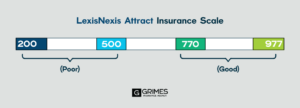
A poor credit-based insurance profile can affect your rate even when your driving record is relatively clean.
Curious about insurance scores and want to learn more? Watch this video for a quick deep dive on how your credit-based insurance score can affect your coverage:
Are Young Drivers Considered High-Risk?
Young and inexperienced drivers generally have higher insurance rates because insurers use historical loss data to evaluate risk.
Drivers under 25 are statistically classified as higher risk regardless of their individual record. For instance, in 2023, young drivers accounted for 8.9 percent of drivers involved in fatal auto accidents. Adding teen drivers to a household policy can trigger steep surcharges, with some adding $3,211 a year on average.
Being a young driver does not necessarily mean you have been formally labeled “high-risk,” but age and driving experience can significantly affect your premium.
If you’re a young driver, or adding a teenager to your family’s policy, read about The Best Car Insurance Options for Teen Drivers in West Texas to learn what to keep in mind when talking with your agent.
Does an SR-22 Requirement Mean You’re a High-Risk Driver?
An SR-22 is a form of financial responsibility certification that may be required after certain driving-related violations or license-related circumstances. Drivers required to file an SR-22 is classified in the high-risk category by definition.
An SR-22 itself is not a separate insurance policy, but a document that proves your need for minimum insurance. If you are required to have one, you’ll generally need an insurance company that can file the appropriate form on your behalf.
To know if you require one, your state or court will notify you to file one with your insurance agency. However, not all carriers write SR-22 policies, which can immediately narrow your options.
If you need an SR-22, tell your agent when requesting a quote so they can determine which coverage options are available to you.
What High-Risk Car Insurance Options Are Available?
If any of the previous scenarios reflect your situation, you might now be wondering, “What are my options?!”
Bottom line, your options depend on why you’re considered high-risk and which insurers are willing to accept your particular risk. Your next step boils down to three options:
- Shop for coverage with a standard carrier who accepts high-risk drivers
- Shop for coverage with a specialty carrier
- Shop for coverage with the Texas Automobile Insurance Plan Association (TAIPA)
Let’s review the logistics to help you determine the option right for you.
Standard Carriers With High-Risk Appetite
Not all standard carriers treat high-risk drivers the same way, and most make it difficult for high-risk drivers to find adequate coverage.
However, some are more willing to write policies for drivers with a DUI or recent at-fault accident, particularly when other factors, such as credit, vehicle type, and years of prior coverage, are favorable.
Two carriers we’ve written high-risk clients with in the past include:
However, securing coverage, even through a carrier with a higher risk appetite, is not always guaranteed.
While shopping, remember, one carrier’s decision does not necessarily represent every other carrier’s decision.
If you’re curious about a specific carrier’s risk appetite, contact your agent to help you find an option that fits your needs well.
Non-Standard or Specialty Carriers
Non-standard carriers specialize in high-risk coverage and underwrite risks that standard carriers decline.
Some specialty carriers we recommend exploring include:
Keep in mind that rates are higher than standard but competitive within the high-risk market. It’s best to have coverage that fits your needs and situation, rather than not having coverage at all.
The Texas Automobile Insurance Plan Association (TAIPA)
In some cases, you might find yourself unable to secure coverage within the standard or non-standard market. If so, the Texas Automobile Insurance Plan Association (TAIPA) can provide an option for eligible drivers.
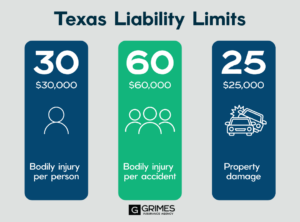
TAIPA offers only minimum liability coverage amounts, which Texas currently writes as 30/60/25, which includes:
- $30,000 per person for bodily injury
- $60,000 per accident for bodily injury
- $25,000 per accident for property damage
If TAIPA seems to be your necessary choice, do not wait to apply for coverage. Before applying, TAIPA states that you must have been rejected for insurance by two different companies within the last 60 days to be considered.
If no carrier in the standard or non-standard market will write your policy, the Texas Automobile Insurance Plan Association (TAIPA) provides coverage of last resort. TAIPA meets Texas minimum liability requirements but is typically more expensive than voluntary market options.
How to Lower Your High-Risk Car Insurance Rates Over Time
If you’re in the middle of hunting for insurance as a high-risk driver, don’t worry, because there’s light at the end of the tunnel.
While it can be incredibly stressful, a high-risk situation does not necessarily last forever. As violations become older and your insurance and driving history improve, additional options may become available.
Four factors can help you work toward lower premiums over time:
- Maintain a clean driving record
- Maintain continuous insurance coverage
- Work on your credit
- Ask about available discounts
How to Stop Overpaying as a High-Risk Driver
Being considered a high-risk driver doesn’t mean you can’t get car insurance. It means your options may be more limited, and finding the right coverage may require looking beyond the first insurance company you contact.
Your driving record, insurance history, and factors such as DUI, accidents, a lapse in coverage, or an SR-22 requirement can all affect how insurers evaluate your risk. Different insurance companies may also have different guidelines for the drivers they are willing to insure.
At Grimes Insurance Agency, we help drivers understand their options and compare coverages from multiple insurance companies based on their individual circumstances.
If you’re having trouble finding coverage, the next step is to understand what’s affecting your insurance situation and compare the options available to you. Read 7 Ways to Lower Your Car Insurance (Without Losing Coverage) to see the specific actions that reduce your premium over time. Or, if you still have questions about your insurance risk, read How is Insurance Risk Calculated to learn how to keep your insurance score in check.
Frequently Asked Questions
What is considered high-risk for car insurance?
Drivers are typically classified as high-risk after a DUI, multiple at-fault accidents, serious violations, a lapse in coverage, or a significantly poor credit score. Drivers under 25 are also statistically classified as higher risk.
Can I get car insurance if I have a DUI in Texas?
Yes. Standard carriers may not renew or price prohibitively, but non-standard carriers write DUI coverage.
What is an SR-22, and do I need one?
An SR-22 is a certificate of financial responsibility that Texas requires certain high-risk drivers to file with the state. You will be notified by the court or Texas DPS if required.
How long does a DUI affect my car insurance in Texas?
Most carriers surcharge DUI convictions for five to seven years, depending on the carrier. The surcharge typically decreases as the incident ages on your record.
Will my high-risk classification go away?
Yes. Most violations age off your driving record for insurance purposes after three to five years. Continuous coverage, improved credit, and no new violations all accelerate the return to standard rates.
Disclaimer: The information provided in this article is for general informational purposes only and does not constitute legal, financial, or insurance advice. Coverage options, terms, and availability may vary. Please consult with a licensed professional for advice specific to your situation.


