
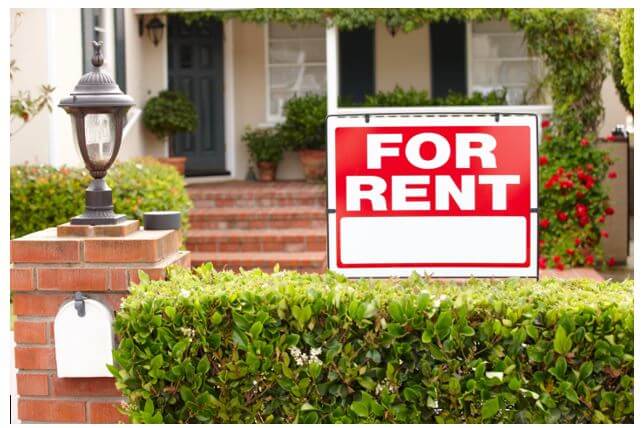
Do You Own a Rental Property? Here’s What You Need to Know About Insurance
If you own a rental property—or you’ve recently converted your personal home into a rental—you may be wondering: What kind of insurance do I need to protect my investment?
In this guide, we’ll break down:
- What rental property insurance is
- How it differs from regular homeowners insurance
- What it covers (and doesn’t)
- Who should consider it
- Tips to save money on landlord insurance
 What Is Rental Property Insurance?
Rental property insurance (also called landlord insurance or dwelling fire insurance) is designed for homeowners who rent their property to tenants. This includes:
- Long-term rentals
- Short-term rentals (Airbnb, VRBO, etc.)
- Vacation homes
It protects your investment from the unique risks of having tenants, which are different from those of an owner-occupied home.
Can I Just Use Homeowners Insurance Instead?
Many landlords ask: “Can I just keep a homeowners policy?”
While technically you can, it’s risky. Here’s why:
- Homeowners policies are cheaper, but they’re meant for owner-occupied homes.
- If your insurer finds out your property is tenant-occupied, they can:
- Cancel your policy, or
- Deny your claim altogether.
👉 The bottom line: using homeowners insurance on a rental is a costly gamble.
Why the Difference? Risk.
Insurance companies see a big difference between:
- Owner-occupied homes: More care, maintenance, and pride of ownership.
- Tenant-occupied homes: More turnover, less incentive to maintain the property, higher risks of damage and liability.
That’s why rental property insurance costs more—it’s structured to cover those added risks.
What Does Rental Property Insurance Cover?
Most landlord insurance policies include four key protections:
- The Structure of the Home – Covers fire, hail, tornado, and more. Replacement Cost offers better protection than Actual Cash Value.
- Landlord’s Personal Property – Protects appliances, equipment, or furniture you own in the rental (but not tenants’ belongings).
- Loss of Rental Income – Reimburses lost rent if your property is unlivable due to a covered claim.
- Liability Protection – Covers legal fees, medical bills, and damages if someone is injured on your property and sues.
Rental Property Insurance vs. Homeowners Insurance
Here’s a quick comparison of how they differ:
| Feature | Homeowners Insurance | Rental Property Insurance (Landlord Insurance) |
| Occupancy | Owner-occupied | Tenant-occupied |
| Structure Coverage | Yes | Yes |
| Personal Property Coverage | Homeowner’s belongings | Landlord’s belongings (appliances, furniture, equipment) |
| Loss of Rental Income | Not included | Included |
| Liability | Covers homeowner | Covers landlord if tenant/guest is injured |
| Risk Level | Lower (owner maintains) | Higher (tenant turnover, less maintenance) |
| Claim Denial Risk | None if owner-occupied | Possible if you use homeowners instead of landlord policy |
Choosing the Right Policy
- 1–4 properties → Standard rental property policy is usually best.
- 5+ properties → Ask about a portfolio policy that combines coverage for all rentals under one plan. This often simplifies management and reduces cost.
Tips to Save on Rental Property Insurance
- Newer homes = lower premiums (less maintenance risk).
- Roof age matters — a new roof usually lowers your rate.
- Home value affects cost — higher-value properties = higher premiums.
- Choose a higher deductible — lowers monthly premiums (but raises out-of-pocket costs).
- Work with an experienced agency — to compare multiple carriers and coverage types.
Final Thoughts
The wrong type of insurance can leave your rental property exposed and you personally. A standard homeowners policy won’t protect you if your property is tenant-occupied.
At Grimes Insurance Agency, we help landlords and investors find the right balance between protection and affordability. Whether you own one rental or several, we’ll walk you through your options and help you avoid costly mistakes.
📞 Do you own a rental property? Let’s talk today and make sure your investment is fully protected.


