
Do you need to buy coverage for your rental car?: Scam or Smart Move?
Do you need to buy coverage for your rental car?: Scam or Smart Move?
By: Emmerson Reynolds & Ryan Reynolds
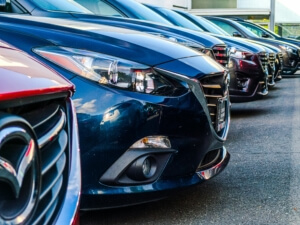 You’ve just landed, your luggage has finally made it, and you’re ready for your vacation to kick off. Right before you grab the keys to your rental car, the agent hits you with a rapid-fire list of insurance options.
“Would you like to add the collision damage waiver? Liability coverage? Theft protection?”
You’re already in vacation mode now, wondering if you need this, or if you’re about to waste precious vacation money.
It’s one of the most common travel dilemmas, but we are here to clear it up.
Why Rental Companies Push Insurance So Hard
First things first, why are rental companies pushing insurance so hard anyway?
It’s simple, accidents happen, and rental agencies want to ensure their cars are safe and protected. Plus, let’s be honest, they can make good money with these add-ons. Let’s break down the coverage options they typically offer and push:
- Collision Damage Waiver: This covers any damage to the rental car
- Liability Protection: This will cover injuries or property damage to others
- Theft Protection: This covers if the car happens to get stolen
This all sounds like a great safety net, and sometimes it is.
But wait… You Might Already Be Covered
If you have personal auto insurance, there’s a good chance it extends to rental cars, especially if you are renting in the U.S. It usually includes:
- Liability Coverage: For injuries or property damage you cause, meaning other people’s cars or property.
- Collision and Comprehensive: If you have full coverage on your own car, that may apply to the rental, too
One Catch: Your Deductible Still Applies
Even if your personal auto insurance covers rental cars, there’s a catch most people don’t think about: your deductible still applies.
So, let’s say your deductible is $500 or $1,000; if you get into an accident with the rental, that amount comes out of your pocket before your insurance pays a dime. Just like it would if you wrecked your own car back home.
But here’s the real kicker: Filing a claim on your personal policy for a rental car accident could lead to a rate increase. That’s right, you might save a few bucks at the counter, but it could cost you more in higher premiums down the road.
And for a lot of people, that’s the dealbreaker.
Here are some examples so you can make an educated decision on whether the rental car insurance is worth it or not.
Example #1
You’re driving your own car to work, and you cause an accident. Both your car and the other driver’s car are totaled.
Here’s how your insurance handles it:
- Your liability coverage pays for the other person’s car
- Your collision coverage pays for your car, so you have two coverages to cover the damage.
Let’s say you have $100,000 in liability coverage, and their car is worth $60,000—no problem. Your car is also worth $60,000, and your collision coverage takes care of it. You’re covered. No out-of-pocket expense for you outside of your deductible
Example #2
Now, the same situation, except this time, you’re on vacation, driving a rental car, and you caused the accident. Again, the other car is worth $60,000, and the rental car is worth $60,000.
But you didn’t take the damage waiver or liability protection from the rental car company.
Here’s what happens: you file a claim with your insurance, but because the rental car isn’t your car, both the rental car and the other driver’s vehicle have to be covered under your liability coverage.
But, remember you only have $100,000 in liability coverage… and the total damage is $120,000.
That means you could be on the hook for $20,000 out-of-pocket—or worse, you could get sued.
Example #3
Same situation as Example #2—but this time, you did take the $20-per-day damage and
Liability waiver from the rental car company.
This time, because you have the rental car coverage they sold you, after the accident, you walk
into the rental office, drop off the keys, say you’re sorry, hand them the police report—and that’s
- You go on your way.
See the difference?
Your auto policy might cover a rental, but with a rental, both cars fall
under your liability coverage, which is not how it works when you’re in your own car.
Then, on top of that, if you factor in the risk of your insurance rates going up, then honestly, for $20 a day, it’s often worth the peace of mind to just take the coverage. Here at Grimes, we all personally would recommend it.
Well, My Credit Card Covers Rentals… Right?
Many people might say, “ I’m good, my credit card company covers my rental cars.” In many cases, they’re right…kind of.
Some credit cards do offer rental car coverage, and in the best cases, it’s primary coverage, which means if something happens, your credit card’s insurance kicks in before your personal auto policy. That can save you from filing a claim with your own insurance and potentially raising your rates.
Even if it’s secondary coverage, it can still help cover what your insurance doesn’t.
But, and it’s a big but, you’ve got to know the fine print.
To qualify for that coverage, you usually have to:
- Decline the rental company’s insurance
- Pay for the entire rental using that specific card
And not all cards offer this perk. Some exclude coverage in certain countries or for certain types of vehicles. For example, some exclusions might include: luxury cars, trucks, or SUVs.
So, before you bank on your credit card saving the day, it’s worth calling the card issuer or checking their benefits guide online. One quick check now could save you from a big surprise later.
So, Do You Need Rental Car Insurance… Maybe
But now you can make that decision confidently, before you’re standing at the counter, if you have any questions about your coverage, talk to your independent insurance agent about your options. And as always, we’re here to help. Safe travels!

