
How To Be Prepared For a Power Outage
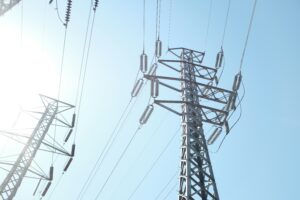 Power outages can occur for various reasons, not just due to bad weather. Being prepared for such situations can make a significant difference in terms of safety and peace of mind in your home. While it’s easy to assume that a power outage won’t affect you, taking proactive measures can save you from unnecessary stress and inconvenience.
Creating an “out of power” kit involves considering several essential items. While blankets can be sourced from beds, it’s important to focus on other necessities such as non-perishable food, lighting options, and means of communication.
Here’s a list of items to include in your power outage safety kit:
- Non-Perishable Food: Stock up on canned goods, crackers, noodles, or vacuum-packed tuna. These items can sustain you during the outage when refrigeration is not available.
- Water: Ensure you have an ample supply of water. During a power outage, water is crucial for various purposes such as drinking, cooking, and maintaining personal hygiene.
- LED Flashlights: Opt for LED flashlights as they consume less battery power and have a longer lifespan compared to traditional flashlights.
- Emergency Radio Or Solar Cell Phone Charger: These devices will help you stay informed and connected even when the power is out.
- Candles: Invest in emergency candles that can burn for up to seven days, 24 hours a day. Look for wind-resistant options to ensure they remain lit in adverse conditions.
In addition to these essential items, there are specific considerations to keep in mind when experiencing a power outage at home:
- Unplug Sensitive Electronics: To protect your electronic devices from power surges when the electricity is restored, it’s advisable to unplug sensitive electronics.
- Minimize Refrigerator And Freezer Usage: Keep the refrigerator and freezer closed as much as possible to preserve the cold temperature inside. If the power outage is prolonged, consider transferring temperature-sensitive items like meat and dairy to a smaller cooler filled with ice.
- Discard Potentially Spoiled Food: If you suspect that your food has spoiled due to the power outage, it’s best not to risk consuming it and dispose of it safely.
While generators can be valuable during power outages, their capabilities are often limited unless you have a whole house generator. If you plan to use a generator, determine the specific appliances you want to run. Keep in mind that refrigerators typically require large generators, so consider the feasibility before relying on one. Running lighting and small portable coolers using a generator is a reasonable approach.
Remember, being prepared is essential when faced with a power outage. By assembling an appropriate kit and considering the specific needs of your home, you can navigate these situations with greater ease and confidence.
 Disaster preparedness is a topic that warrants our attention at any given time. It is essential to assess and update your family’s emergency kit regularly. Disasters, both natural and man-made, can strike anywhere, making it imperative that your family is well-prepared.
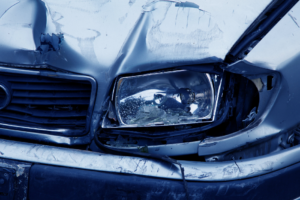 Being involved in a hit and run accident can be a distressing experience. Knowing how to handle such situations and being prepared in advance can help you navigate the shock and ensure you are adequately covered for any losses. While hit and run incidents can happen to any driver, whether their vehicle is parked or in motion, understanding the following steps will assist you in dealing with this unfortunate situation.
 While most of us hope to never experience a catastrophic home loss, it is crucial to be prepared in the event that such a disaster strikes, whether it be a flood, fire, earthquake, or any other unforeseen calamity.
 Insurance can offer more than just the standard coverage we’re familiar with. It extends to diverse and sometimes unusual situations, providing financial protection for a range of valuable assets. When it comes to celebrities, who rely on their talents for a living, they often go the extra mile to safeguard their unique qualities. Let’s explore some intriguing cases where celebrities insured their prized possessions for astonishing amounts, reaching even up to one billion dollars!
 Wildfires pose a recurring threat every year, especially during the summer season. Millions of acres across the country are engulfed in flames, caused by both natural and human factors. While nature-induced fires are beyond our control, we can significantly reduce human-caused fires through education and preventive measures. By following these simple steps, you can minimize the risk and protect your home from wildfires.
 Over the years, we’ve all seen auto insurance commercials highlighting the various discounts available in the insurance industry.
 weeks away, and it is a time for gathering with loved ones, enjoying delicious barbecues, and, for some, lighting up the night sky with fireworks. While fireworks can be thrilling and add an extra sparkle to the celebrations, it’s crucial to remember that they also come with potential risks and hazards. To ensure a safe and enjoyable experience, here are six simple safety tips to keep in mind when handling fireworks:
 Wouldn’t it be wonderful if we could purchase a single insurance policy that covers us for a lifetime? While that may be wishful thinking, the reality is that as life evolves, so should your insurance policy. The great advantage of having a local independent insurance agent is that they work with multiple insurance companies, ensuring they can find the right fit for your present and future needs. When reviewing your current insurance, consider the following:
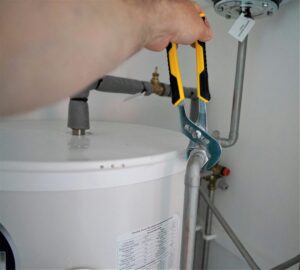 Water damage is a common issue that homeowners may face at some point. It not only leads to inconvenience and disruption but can also result in costly insurance claims. Being aware of the signs and taking preventive measures can help you avoid these expenses.